Planet Zoo 2 social needs — which of the 136 animals are solitary, and which need a group
The game never shows you a solitary/social switch. It tells you in prose, one Zoopedia page at a time. This table pulls that one sentence out of all 136 species pages and sorts them: solitary first, then the species whose text mixes both, then the genuinely social ones. Every row keeps Frontier's own wording so you can check the call.
All 136 species
The flags column is a keyword index into the Social & Reproduction / Lifecycle section — it is a retrieval aid, not a verdict. A species can be solitary and still tolerate neighbours, and several herd species are flagged aggressive because the text describes fights during the rut. When the flags and the quote disagree, the quote wins.
| Species | Verdict | Frontier's first line | Flags |
|---|---|---|---|
| solitary | With the exception of a mother and her cub, aardvarks are solitary in nature. They only interact when mating or competing over mates. | ||
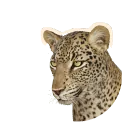
| solitary | African leopards are solitary except for a mother raising her cubs. | ||
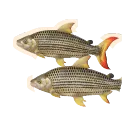
| solitary | African tigerfish are best described as asocial to loosely aggregative predators: juveniles show schooling behaviour, while adults are largely independent hunters that tolerate one another only when conditions favour it. | tolerates others | |
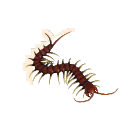
| solitary | Amazonian Giant Centipedes are solitary in the wild and therefore should be kept alone in captivity. | ||
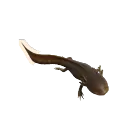
| solitary | Axolotls are solitary in the wild and are happy living alone in captivity. However, unless different in size, they are content with other axolotls nearby, provided there is sufficient food and space. | ||
| solitary | The binturong is a solitary animal but is not territorial and individuals will tolerate each other in the same space. If two binturongs meet, they are likely to avoid each other unless it is a male and female and the female is in oestrus. They may also be found in groups of a female and her litter or a mated pair and their litter. Larger same sex groups have been kept together successfully in captivity. | territorial aggressive pair bond tolerates others | |
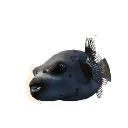
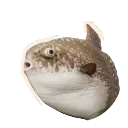
| solitary | Blackspotted puffers are solitary and territorial, only interacting with conspecifics during the breeding season. | territorial | |
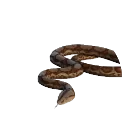
| solitary | Boa constrictors are solitary animals and do not interact in the wild, except when mating or fighting over mating rights. | ||
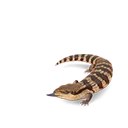
| solitary | Common bluetongues are solitary animals and only interact to mate or fight over mates. | aggressive | |
| solitary | Hippos interact with each other, but do not form close groups or bonds. Mature males are semi-solitary and territorial, presiding over a stretch of river and allowing groups of females (and non-challenging males) to live there. Females will choose where to live based on the quality of the habitat, and thus there will be larger groups in better parts of the river. Hippos are known to be friendly to each other when in water, but can be aggressive towards each other when on land, especially when feeding. | territorial aggressive | |
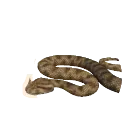
| solitary | Desert horned vipers are solitary. They only interact with other individuals to mate. | ||
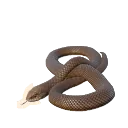
| solitary | Adult male Eastern brown snakes are solitary, whereas females may interact with each other after laying their eggs; they will often do this in the same burrow as one another, guarding them together. | ||
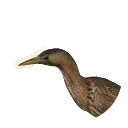
| solitary | Eurasian bitterns are solitary birds, although will tolerate other individuals outside of the mating season. Unlike many bird species, they do not form lasting pairs during the breeding season and part ways soon after mating. | territorial tolerates others | |
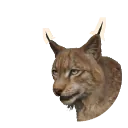
| solitary | In the wild, lynx are solitary animals and live alone except for mothers with their cubs. However, male and female lynx are known to form strong bonds in captivity. | aggressive | |
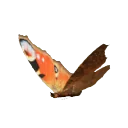
| solitary | The European peacock butterfly is largely solitary and males may defend their territory from other males they encounter. | territorial aggressive | |
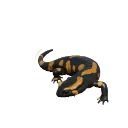
| solitary | Fire salamanders are solitary in the wild but are generally tolerant of other individuals if enough space, mates and food are available. Males may be aggressive towards each other if disputing territory or access to mates. | territorial aggressive | |
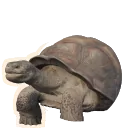
| solitary | Giant Galápagos tortoises are solitary but do tolerate each other. Saddleback males are particularly aggressive towards each other during the mating season. | aggressive tolerates others | |
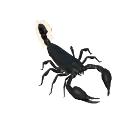
| solitary | Giant forest scorpions are solitary animals, only interacting for mating purposes. | ||
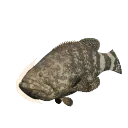
| solitary | Giant groupers are solitary fish, although they may form temporary aggregations during spawning. | ||
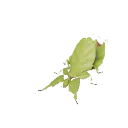
| solitary | These insects are solitary but very passive, so can be kept together. They should not be kept with other large herbivorous insects because they could be eaten due to their lack of movement and leaf-like appearance. | ||
| solitary | Pandas are solitary creatures but will interact if they come across each other. However, females are more territorial than males and may chase away rivals who invade their territory. They need plenty of space and the ability to isolate themselves if they want to. | territorial | |
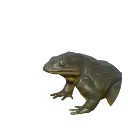
| solitary | Giant slippery frogs are solitary and do not interact except to mate or compete over mates. | ||
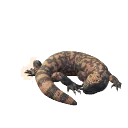
| solitary | Gila monsters are solitary animals and only interact to mate and compete over mates. | ||
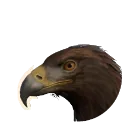
| solitary | Golden eagles are generally solitary or live in pairs, and most of their interactions are limited to mating and raising young. Adults strongly defend large territories against other golden eagles, especially during the breeding season. | territorial pair bond | |
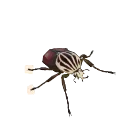
| solitary | Goliath beetles are solitary animals – other than to mate or compete over mates, they do not interact in the wild. | territorial aggressive | |
| solitary | Goodfellow’s tree-kangaroos are largely solitary, except for a mother and her joey, and when brief pair bonds form between males and females during breeding. | territorial aggressive | |
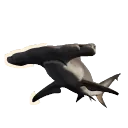
| solitary | As opposed to some other species of hammerhead, the great hammerhead shark is a solitary animal. | ||
| solitary | Grizzly bears are solitary, the only exception being a mother with her cubs. They only interact with each other to mate or fight over mates. They may be seen in close quarters when there is a desirable food source, such as gathering at a river's edge during the salmon spawning season. However, bears will usually ignore each other if they come across one another. | territorial aggressive | |
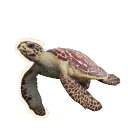
| solitary | Hawksbill Turtles are solitary and only interact with other individuals to mate. | ||
| solitary | Indo-Pacific leopard sharks are usually solitary, but may gather in large groups on occasion for reasons unknown. | pair bond | |
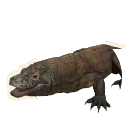
| solitary | Komodo dragons are solitary creatures, but they will group together to feed and mate. When in groups, the largest male is dominant; he will feed first and get first choice of females. | territorial aggressive | |
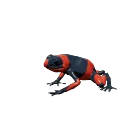
| solitary | Lehmann's poison frogs are solitary animals, only interacting with other frogs in order to mate. | ||
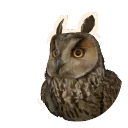
| solitary | For most of the breeding season, long-eared owls are territorial and solitary, with pairs viciously defending their nesting areas from other owls. However, outside of the breeding period, they often gather in communal roosts in groups of up to 20 owls. These communal roosts offer protection from predators, shelter from harsh weather and help the owls find good hunting areas nearby. | territorial pair bond | |
| solitary | Malayan tapirs are often solitary but may also be found in monogamous pairs with their young offspring or in temporary feeding groups. They are tolerant of other individuals. | territorial pair bond | |
| solitary | The Menelaus blue morpho is solitary, only spending time with others to mate. However, they tolerate nearby conspecifics, and on rare occasions are known to swarm to exploit a resource such as a sun spot or a food source. | territorial tolerates others | |
| solitary | Mexican redknees are solitary animals and are likely to be aggressive towards each other if kept together in a terrarium. | aggressive | |
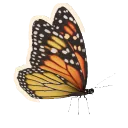
| solitary | Non-migratory monarch butterflies are solitary for most of the year, while those who do migrate will cluster in massive swarms of up to 10,000 individuals. | ||
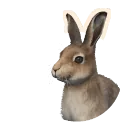
| solitary | Mountain hares are largely solitary but will interact during the breeding season and may gather at food sources when food is scarce. | ||
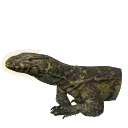
| solitary | Nile monitors are solitary animals and prefer to be alone. | aggressive | |
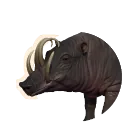
| solitary | Babirusa females tend to live in small groups made up of sisters and their offspring under two years old. Mature males live alone but will come alongside female groups in the mating season. | aggressive | |
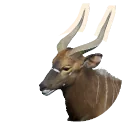
| solitary | Female nyala live in small groups with their offspring and forage through the undergrowth together. Adult males are solitary, living alone except for during the mating season, when they temporarily join a female herd. | aggressive | |
| solitary | Ocean sunfish are solitary animals. | ||
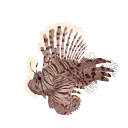
| solitary | Red lionfish are solitary but will gather in temporary harems during breeding events. | territorial | |
| solitary | Red pandas are solitary and territorial animals, with males having larger territories than females. In nature, the two only interact during the mating season. Both are also hunted by snow leopards and martens in the wild, and as a result like to have places to isolate themselves and hide. | territorial | |
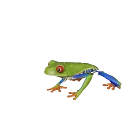
| solitary | The red-eyed tree frog is a solitary animal but may live close to other frogs. Red-eyed tree frogs only interact in the mating season to mate or compete for mates. | territorial | |
| solitary | Sacred scarab beetles are solitary in the wild, but males and females will come together for nesting, and to compete for mates and dung balls. | aggressive | |
| solitary | Saltwater crocodiles are solitary, territorial and extremely aggressive. Males will tolerate females living on their territory, and females will look after their hatchlings for the first 8 months of their life, but otherwise they spend their lives alone. | territorial aggressive tolerates others | |
| solitary | Shoebills are solitary animals. They form seasonal pairings for breeding but otherwise live alone. | pair bond | |
| solitary | Snow leopards are solitary animals and live alone, unless it is a mother with her cubs. They have home ranges, but are not aggressively territorial over them and will tolerate other leopards moving through their space. | territorial tolerates others | |
| solitary | The Sri Lankan rose is usually more solitary than other butterflies but may be found in pairs. Given abundant resources, larger groups can cohabit. | pair bond | |
| solitary | Sumatran tigers are solitary animals. They only interact with each other to mate, with the exception of a mother with her cubs. | territorial aggressive | |
| solitary | Sun bears are solitary, with the exception of a mother with her cubs. They only interact to mate. | ||
| solitary | Pangolins are solitary animals and spend their time alone, except during the mating season and when a mother is with her infant. | ||
| solitary | Western diamondback rattlesnakes are solitary animals. It is rare that they will encounter each other except when males search for mating partners, and they do not interact in the wild otherwise. | ||
| solitary | Female wild boars live in sounders led by an old matriarch, consisting of non-breeding females and mothers with their offspring. Adult males are solitary for most of the year, joining sounders only during the breeding season. Young and sub adult males live in bachelor groups. | hierarchy | |
| solitary | Yellow anacondas are solitary animals and do not interact in the wild. It is rare that they will encounter each other except when males search for females to mate with. | ||
| mixed | Elephants are social animals, the exception being mature males who usually live alone. Females live in closely bonded family herds – including their young – and will travel and forage together. Herds have a matriarch; an older female who uses her experience to guide the group, and the group will care for each other, helping to raise babies. Elephants have even been known to grieve at the death of a group member. African Savannah elephants may travel 80 kilometres a day searching for food, water and mates. | aggressive hierarchy | |
| mixed | Elephants are mostly social animals, with females living, travelling and foraging in tight-knit herds with their calves. They will also care for each other and help each other raise young. These herds are matrilineal – normally, the oldest female will lead the group and, when she dies, the next oldest female will take her place. Young adult male elephants live loosely bonded in bachelor herds and travel together to locate food and mates. The exception is mature males, who will often live alone. | aggressive | |
| mixed | Black rhinoceroses are generally solitary, except for mothers and their calves. Fleeting, loose bonds may form between individuals when they encounter each other. | territorial aggressive | |
| mixed | Brown trout are solitary and territorial fish, but they become more social during spawning events. | territorial | |
| mixed | Cape buffalo live in herds made up of related female groups, with bachelor groups and solitary dominant males on the periphery of the female group. A herd can be made up of many of these groups. | ||
| mixed | The cloudless sulphur is solitary and has no social requirements. Individuals only spend time with others during the mating season. | ||
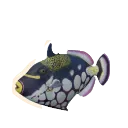
| mixed | Clown triggerfish are not social fish. They are primarily solitary and territorial, especially as adults. Individuals usually occupy and defend a specific area of reef that contains shelter and feeding grounds. | territorial aggressive | |
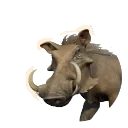
| mixed | Warthogs have a complex social structure. Mature females tend to live in interrelated groups with their offspring. However, year-old piglets may leave their mother's group and live in sibling groups, before splitting up as they get older. The young females usually return to their mother's group, whereas young males will form bachelor herds until they are old and strong enough to become solitary. | ||
| mixed | Except for a mother with her cubs, brown bears are solitary. They only interact with each other to mate or fight over mates. They may be seen in close quarters when there is a desirable food source, such as gatherings of bears at rivers' edges during the salmon spawning season. Bears will usually ignore another bear when they encounter one. | territorial aggressive | |
| mixed | European bison live in mixed herds of females and their offspring, including sub adult males. Mature males live together in pairs or trios, except for breeding periods, where they fight each other for access to a group of females. Mixed herds often come together to exchange individuals, so they do not live in exclusive familial units. | aggressive pair bond | |
| mixed | Golden trevally juveniles are schooling fish, and adults are known to school at times as well, and form aggregations while spawning. | ||
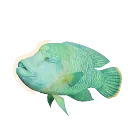
| mixed | Humphead wrasse are generally solitary, although may live in pairs or small groups temporarily for the purpose of breeding. | territorial pair bond hierarchy | |
| mixed | Masai giraffes live in fluid, fission-fusion social groups, meaning individuals frequently join or leave groups without developing strong bonds, and group composition changes regularly. These groups are often based on age, sex, or kinship. Females and their calves form loose associations, while males may be solitary or form temporary bachelor groups. | ||
| mixed | Ocellated eagle rays may be solitary or loosely social. They are often seen in groups for the purposes of feeding, breeding and travelling. | ||
| mixed | Red deer live in different group compositions, out of which loose herds of up to 400 animals can form, depending on food availability and time of year. Interrelated females and their offspring form bonded groups, while young males live in bachelor groups. Older males tend to be solitary and acquire a harem during breeding season. | aggressive hierarchy | |
| mixed | Reticulated giraffes live in loosely-bonded groups. Females live in herds that forage and travel together, but may leave and join several groups in their lifetime. Males live in bachelor herds or are solitary and follow the female herds with the hope of mating. The older the male is, the longer he spends tracking females. | aggressive | |
| mixed | Sailfin snappers are moderately social fish. They are often observed swimming in small groups or loose schools, especially around coral reef slopes and sandy areas adjacent to reefs. | ||
| mixed | Siamangs live in family groups made up of a monogamous breeding pair with their immature offspring, usually 2 to 3 juveniles. They are very social animals and generally do not live alone. | pair bond | |
| mixed | Springboks have a complex and changeable social structure. Like most ungulates, they live in herds that can be composed of multiple group types. These include mixed groups of non-dominant males, females and juveniles; bachelor groups of juvenile and young adult males; solitary dominant males who are territorial and defend their range from other males; and breeding harems comprised of a dominant male and multiple receptive females. The composition of these groups, as well as the numbers within them, change depending on the time of year and the availability of food. For example, during the rainy season, there will be more breeding harem groups than at other times of year. | territorial hierarchy | |
| mixed | Occasionally, a male and female may travel together for a time, but orangutans generally live alone, except for a mother and her young. They have far less social interaction than other ape species. However, they are still intelligent animals, and do not like complete isolation from their counterparts. They will interact if they meet, and may be friendly, avoidant or aggressive. | territorial aggressive | |
| mixed | Thomson's gazelle have a complex and changeable social structure. Like most ungulates, they live in herds composed of multiple group types: mixed groups of non-dominant males, females and juveniles; bachelor groups of juvenile and young adult males; solitary dominant males that are territorial and defend their range from other males; as well as breeding harems comprised of a dominant male and multiple receptive females. Group composition and numbers changes depending on food availability and the time of year. | territorial aggressive hierarchy | |
| mixed | Threespot damselfish adults live in loose aggregates or harems, and juveniles live in small shoals. In areas where there is an abundance of shelter, they may also be solitary and territorial over their area of reef. | territorial hierarchy | |
| mixed | Manatees are semi-social. They are likely to gather in groups for feeding and mating, and will interact with others when they meet them, but generally males are solitary and females live alongside their most recent single calf. | ||
| mixed | Gorillas are social animals, living in small groups with an approximately even split of male and females. There will usually be one dominant male, known as the silverback – although there can occasionally be two; a father and son – who leads the group when foraging or travelling. Despite individuals within groups being unrelated, the females will have very strong bonds with each other and their silverback, not leaving him in favour of another male once their group has been established. | hierarchy | |
| social | African penguins are social animals and when not foraging at sea, they live in extremely large colonies of many thousands of mated pairs. | ||
| social | African wild dogs are extremely social animals. They live in packs with an alpha male and female, who both lead the group on hunts and act as the main decision makers. The males in a pack are all related; females migrate into the group from their natal pack when they are around a year old. Adult packs are permanent once formed, with the dogs remaining together for life, even responding badly to being separated or losing a pack member. | hierarchy | |
| social | Asian small-clawed otters are very social and intelligent animals, living in family groups of around 15 members. These groups are led by a dominant mated pair and their offspring across various litters. Family groups break apart if they become too large or one of the leaders dies – in this case, family members will leave and attempt to form new breeding groups with other unrelated individuals. | pair bond hierarchy | |
| social | Camels are social animals, living in harem groups in the wild comprised of a dominant male, several female mates and their offspring. The dominant male leads the herd in their migrations. Bachelor males live solitarily or in 'bachelor herds' until they acquire their own harem of females. | hierarchy | |
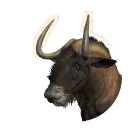
| social | Black wildebeest live in large herds comprised of groups of related females and their young offspring; bachelor herds of young males; and dominant bulls who establish territory in the foraging grounds, guarding females moving through his range. | territorial | |
| social | The blacktip reef shark is a loosely social species. They often form groups when hunting prey in order to ‘herd’ schools of fish into a small space so they can feed more effectively. They are also known to swim together in groups when not hunting. | ||
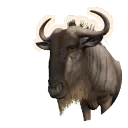
| social | In the wild, blue wildebeest congregate in large herds comprised of several subgroups of related females and their offspring, bachelor herds of young males and dominant bulls guarding a territory within the herd’s foraging grounds. | territorial | |
| social | The blue and gold fusilier is a highly social species that lives in large schools of hundreds of individuals and may mix with other fusilier species as they navigate the open waters above coral reefs. | ||
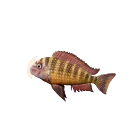
| social | Blunthead cichlids live in large social groups along rocky shorelines, where individuals maintain small feeding territories while remaining in close proximity to each other. Social interaction is constant and includes visual displays, chasing, and dominance posturing, which helps establish and maintain hierarchies. | territorial | |
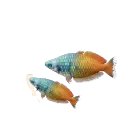
| social | Boeseman’s rainbowfish is a highly social schooling species that naturally lives in loose but cohesive groups. Social interaction is constant and includes parallel swimming, mild chasing, and visual displays, particularly among males. | ||
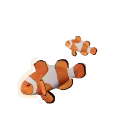
| social | Clown anemonefish are highly social, living in small, structured groups within sea anemones where they form strict dominance hierarchies, with a dominant breeding pair and non-breeding subordinates that rely on close social interactions for group stability and protection. | hierarchy | |
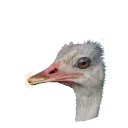
| social | In the wild, ostriches are primarily social animals. During the breeding season, a small group of females will inhabit the territory of a dominant male, who temporarily joins their herd. During other times of year, ostriches live in large nomadic herds that move through the Savannah, often alongside other species of grazing animals. | territorial hierarchy | |
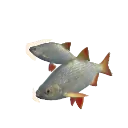
| social | Rudd typically live in shoals (groups), especially when young, which provides protection from predators and improves foraging efficiency. Individuals coordinate movement, often feeding near the surface together on insects or among aquatic plants. As they grow older and larger, rudd may still remain in groups, but the shoals often become smaller and looser, with some larger adults living more solitarily, especially in less densely populated waters. | ||
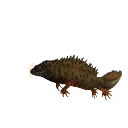
| social | Danube crested newts do not have specific social requirements and mainly live solitarily. Provided there is enough space and food, they tolerate other individuals nearby. | tolerates others | |
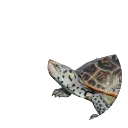
| social | Diamondback terrapins will tolerate other nearby terrapins as long as there is plenty of space, and live well together and occasionally interact, although most social behaviour occurs during the mating season. | tolerates others | |
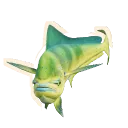
| social | Dolphinfish are generally social and schooling fish, especially when they are young or of similar size. Juveniles and smaller adults often travel in large, fast-moving schools, which helps them hunt efficiently and avoid predators. As dolphinfish grow larger, they tend to become less social; mature males are often alone or in pairs with females rather than in big groups. | pair bond | |
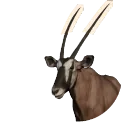
| social | A herd of Gemsbok numbers between 10 and 30. The females group together in interrelated herds with their young offspring, usually consisting of one dominant territorial male who joins the females for mating purposes. Young males form together into single sex bachelor herds until they are old enough to maintain their own territory and acquire a herd of females. | territorial hierarchy | |
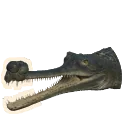
| social | While gharials may live in close contact with each other – as well as compete for sandy riverbanks to use as basking sites – they are not social animals. Despite this, they are unlikely to fight, although competing males may 'buzz' at each other in intimidation using their snout bulbs. During the breeding season, many females may be living in close proximity as they guard the eggs they have laid in the sand banks. | aggressive | |
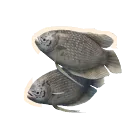
| social | Giant gouramis are moderately social: juveniles often shoal together, but adults become more territorial and may not live in close proximity to others. | territorial | |
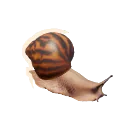
| social | Giant tiger land snails do not actively live in groups, but are passive enough to tolerate others without aggression. | aggressive tolerates others | |
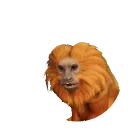
| social | Golden lion tamarins are highly social primates. They live in family groups of 2 to 8 individuals, usually consisting of a breeding pair and their offspring from one or more litters. | pair bond | |
| social | Golden poison frogs are social animals, living in unrelated groups of between 4 and 7 individuals in the wild. | ||
| social | Greater flamingoes are social animals and prefer to live in a large flock. Although mating may be monogamous, group members will often help each other protect and feed chicks. | pair bond | |
| social | Wolves are very social animals that live in family packs. An average pack contains one alpha male, one alpha female, their young adult offspring, and a litter of pups that are less than a year old. Wolf packs are closely bonded, and wolves get distressed if their pack is separated or if a pack member dies. | territorial hierarchy | |
| social | The Indian Ocean oriental sweetlips lives solitarily, in pairs or in small groups and is not a particularly social species. | pair bond | |
| social | Koi are social fish that thrive in groups and should not be kept alone. | ||
| social | Lions are social animals. In the wild, a pride usually consists of several related females and their young, a dominant male and one or two subordinate males. Lions are playful with their counterparts and are rarely aggressive unless a male challenges the alpha male. Young male lions who have not acquired a pride also often form small groups and travel and hunt together. | aggressive hierarchy | |
| social | Long-tailed parakeets are gregarious and live in small, highly social groups. Often, many of these groups may gather to form a flock. | ||
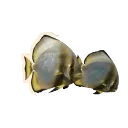
| social | Longfin batfish are social and may be found alone, in pairs, small groups or large schools. | pair bond | |
| social | Meerkats live in family packs and are considered to be ‘eusocial’, meaning highly socially organised and pack members have strongly defined roles within their group. The alpha female is determined by age and size, but younger females will vie for the position as she gets older. | aggressive hierarchy | |
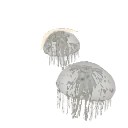
| social | Although moon jellies may be found in large aggregates, they are not social and are usually found together because of ocean currents and shared food sources. | ||
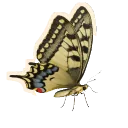
| social | Like most butterflies, the Old World swallowtail has no social needs outside of mating or competing for mates, but equally does tolerate conspecifics in its vicinity given access to enough resources. | territorial tolerates others | |
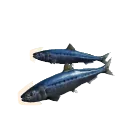
| social | Pacific sardines live in shoals which may be made up of thousands if not millions of individuals. | ||
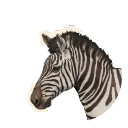
| social | Plains zebra live in cohesive herds in the wild, which can be composed of several harems that consist of one stallion, several females and their young offspring. Young males that have not yet gained their own harem live in 'bachelor herds'. Females within a harem have a hierarchy depending on how long they have been with the stallion; the female that joined the stallion first is the alpha female. | aggressive hierarchy | |
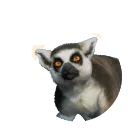
| social | Ring-tailed lemurs live in family groups of up to 30 individuals called 'troops' that will travel and forage together. The females are interrelated, and the males migrate from their family group when they reach adulthood. Lemur troops spend daylight hours foraging for leaves and fruit, moving several kilometres a day. They are playful and friendly towards members of their own group but may be aggressive to other lemur troops. | aggressive | |
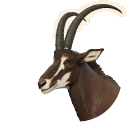
| social | The sable antelope is a social herd species and in the wild live in two two types of groups: in breeding groups of related females, their young, and one unrelated dominant male; or in bachelor herds of young males who have not yet acquired a harem of females. | territorial hierarchy | |
| social | Sand tiger sharks are social and live in fission-fusion groups that may contain up to 200 individuals. | hierarchy | |
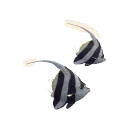
| social | The schooling bannerfish is a shoaling fish and is often found in large groups up to several hundred. | pair bond | |
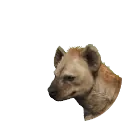
| social | Hyenas are social animals that live in 'clans' of related females, immigrant males and their cubs. They have a communal den which as many as 90 spotted hyenas share for sleeping, mating and giving birth. When individuals leave the den to hunt and roam, they spend this time alone or in small groups of 2 to 4. | aggressive | |
| social | Chimpanzees are very social animals, living in large groups in the wild. Males are dominant in chimpanzee society, with their age being a primary determining factor in their hierarchy. The males in individual groups are interrelated, while unrelated females migrate in from other groups, and they will all further their social bonding by hunting together and grooming each other. They will even learn skills from one another, such as how to use sticks and rocks as tools. | hierarchy | |
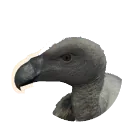
| social | White-backed vultures are social birds, often gathering in groups of 10 to 12, feeding together and relying on each other to find carcasses. | pair bond | |
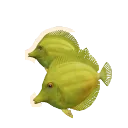
| social | Yellow tangs form loose social feeding aggregations and may live in close quarters and form spawning groups, but they are not strongly social like schooling fish. | ||
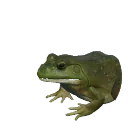
| unclear | American bullfrogs will tolerate each other if there is enough space. They are known to gather in large groups during the breeding season, but males are often aggressive towards each other. | territorial aggressive tolerates others | |
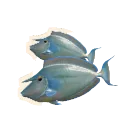
| unclear | Bluespine unicornfish are generally peaceful and are often observed schooling, particularly as juveniles. Adults may be seen singly, in pairs, or in small groups and are capable of forming large feeding aggregations. They show limited territorial behaviour but may defend feeding areas from similar herbivores. | territorial pair bond | |
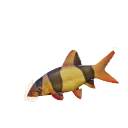
| unclear | In the wild, clown loaches school in groups of 5-20 individuals. | ||
| unclear | The Eurasian beaver lives in family groups of a mated dominant pair, their young adult offspring and the litter of kits from that year. | territorial | |
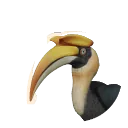
| unclear | Great hornbills live in small groups of monogamous pairs and their offspring. | pair bond | |
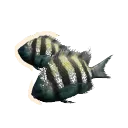
| unclear | Indo-Pacific sergeants form small to large aggregations and live in these loose groups. | territorial | |
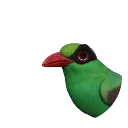
| unclear | The Javan green magpie lives in bonded monogamous pairs or small family groups. | territorial pair bond | |
| unclear | Javanese cownose rays often swim in large groups, sometimes numbering in the hundreds, which helps them search for food and avoid predators. | ||
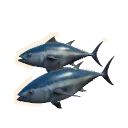
| unclear | Juvenile Pacific bluefin often form large schools, sometimes mixed with other tuna species, which helps reduce predation risk and improves foraging efficiency. As they grow older, their schooling behaviour becomes less tight, but they still travel in groups or loose aggregations, particularly during feeding and migration. | ||
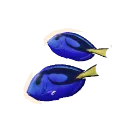
| unclear | Palette surgeonfish may live solitarily, in pairs, in small groups or larger loose aggregations depending on the reef environment and food availability. | pair bond | |
| unclear | Przewalski’s horses live in cohesive herds, which are composed of several harems. In a harem there is one mature stallion, several females and their young offspring. Young males that have not yet gained their own harem or old males who have lost their harem live in bachelor herds. | ||
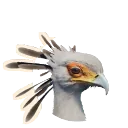
| unclear | Secretarybirds are monogamous and live in mated pairs. | territorial pair bond | |
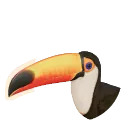
| unclear | In the wild, toco toucans are most often seen alone, in pairs, or in small family groups, especially during the breeding season when pairs form strong bonds. Outside the breeding season, they may gather in loose flocks of up to 6 to 10 individuals, particularly at feeding sites or communal roosts. | pair bond | |
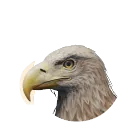
| unclear | The white-tailed sea-eagle mates for life in early adulthood and then lives in a pair bond with its partner. They will raise chicks together annually but otherwise do not spend time with other eagles. | territorial pair bond |
























How to use this for welfare
Solitary is not the same as “keep it alone forever”. In Planet Zoo 2 the welfare system reacts to social need, space and enrichment together: a social species kept alone loses welfare even in a perfect habitat, and a solitary species kept in a crowd loses welfare even with unlimited space. The practical rule is to build the group size the Zoopedia's Habitat panel prints, not the one a wiki table guesses.
For pairs specifically, run two species through the compatibility checker; it reads this same text plus the shared biome and enclosure type. The full matrix is on the co-habitation chart.