Planet Zoo 2 Sri Lankan Rose — habitat, biome, size & which animals it can live with
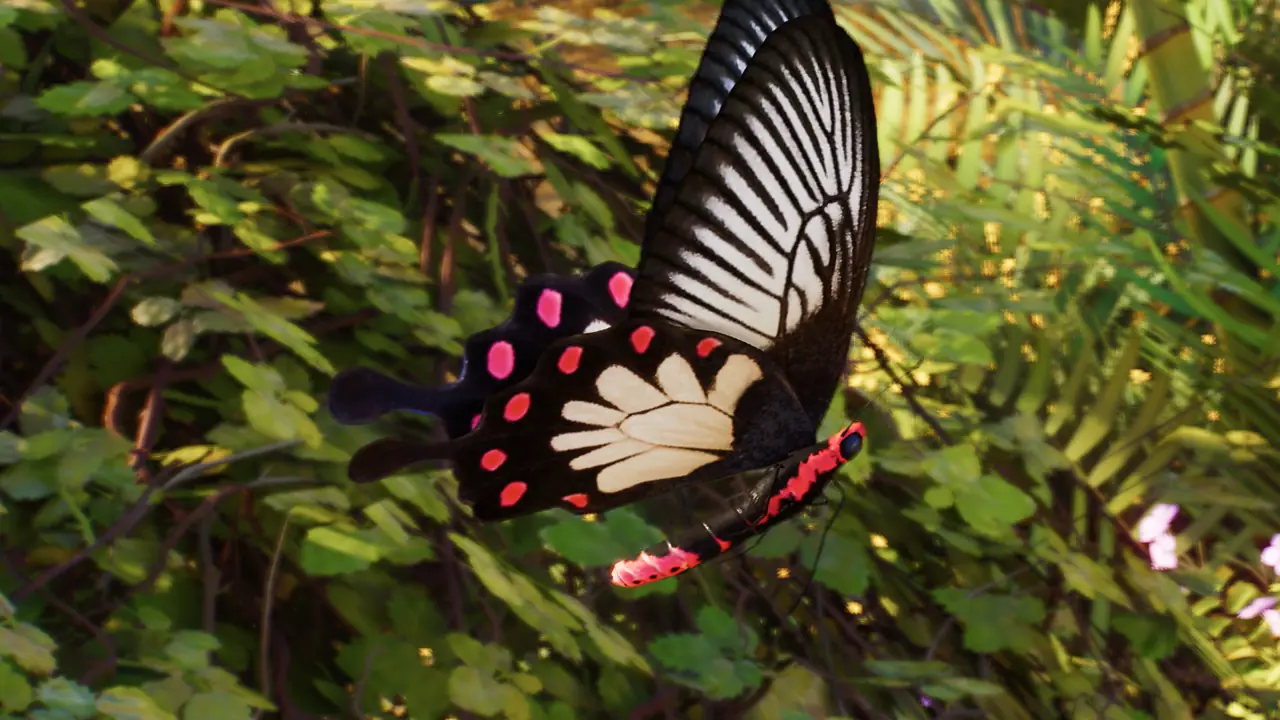
Sri Lankan Rose is one of the 130 Planet Zoo 2 launch species. It is housed in a Exhibit habitat, accepts the Rainforest biome, carries a no barrier requirement and is listed at 0.15 m (legspan). It shares a biome and an enclosure type with 13 other species, but the official species data rules out every one of those pairings, so it needs a habitat of its own.
Every figure on this page comes from the official Planet Zoo 2 Zoopedia export rather than trailer footage: biome, enclosure type, barrier grade, size and the compatibility verdicts are all taken from the game's own data.
Size (M)0.15 m
Weight (M)—
Barrier—
EnclosureExhibit
BiomesRainforest
StatusEndangered
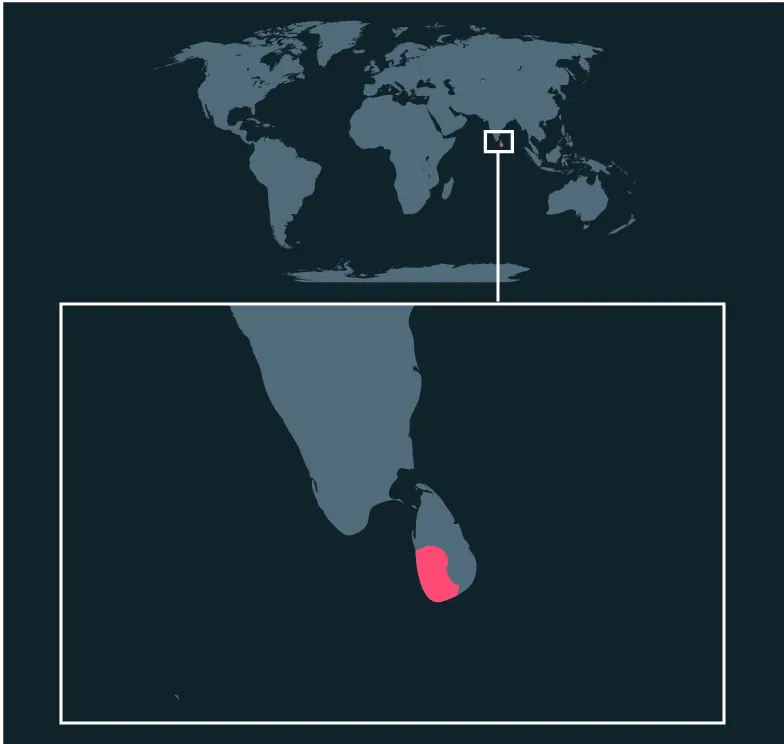
Where it lives in the wild
Asia
0verified enclosure-mates
0same biome + habitat
0.15 msize (male)
Nonebarrier grade
Sri Lankan Rose at a glance
| Field | Value |
|---|
| Name | Sri Lankan Rose |
| Group | Butterfly |
| Class | Insect |
| Biomes | Rainforest |
| Continents | Asia |
| Enclosure | Exhibit |
| Barrier | — |
| Size (male) | 0.15 m |
| Size (female) | 0.15 m |
| Weight (male) | — |
| Weight (female) | — |
| Conservation | Endangered |
| Edition | Base game |
| Revealed | 2026-08-04 |
Source: official Planet Zoo 2 Zoopedia export (130 species). Also on the searchable animal list.
Enclosure and barrier requirements
Sri Lankan Rose needs a Exhibit enclosure and accepts the Rainforest biome. The barrier requirement is none at all, and that is the number to check before building: a Grade 4 animal behind a Grade 1 wall is the most common way a first zoo stalls.
Which animals can live with the Sri Lankan Rose?
Sri Lankan Rose shares a biome and an enclosure type with 13 other species, but every one of those pairings is ruled out by the official data, because one side of each pair is officially solitary.
Same biome, but not compatible
13 of the species that accept the Rainforest biome cannot share an enclosure with the Sri Lankan Rose, because one side of the pair is officially solitary. These are the pairings people ask about most, so they are spelled out rather than left as an unexplained gap.
| Species | Biome | Enclosure | Why not |
|---|
| Rainforest | Exhibit | Amazonian Giant Centipede is solitary “Amazonian Giant Centipedes are solitary in the wild and therefore should be kept alone in captivity.” |
| RainforestSavannah | Exhibit | Boa Constrictor is solitary “Boa constrictors are solitary animals and do not interact in the wild, except when mating or fighting over mating rights.” |
| RainforestSavannahTemperate | Exhibit | Common Bluetongue is solitary “Common bluetongues are solitary animals and only interact to mate or fight over mates.” |
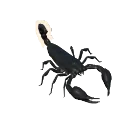
| Rainforest | Exhibit | Giant Forest Scorpion is solitary “Giant forest scorpions are solitary animals, only interacting for mating purposes.” |
| Rainforest | Exhibit | Giant Malaysian Leaf Insect is solitary “These insects are solitary but very passive, so can be kept together. They should not be kept with other large herbivorous insects because t…” |
| RainforestSavannah | Exhibit | Sri Lankan Rose is solitary “The Sri Lankan rose is usually more solitary than other butterflies but may be found in pairs. Given abundant resources, larger groups can cohabit.” |
| Rainforest | Exhibit | Sri Lankan Rose is solitary “The Sri Lankan rose is usually more solitary than other butterflies but may be found in pairs. Given abundant resources, larger groups can cohabit.” |
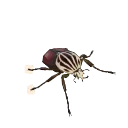
| RainforestSavannah | Exhibit | Goliath Beetle is solitary “Goliath beetles are solitary animals – other than to mate or compete over mates, they do not interact in the wild.” |
| Rainforest | Exhibit | Lehmann's Poison Frog is solitary “Lehmann's poison frogs are solitary animals, only interacting with other frogs in order to mate.” |
| RainforestSavannah | Exhibit | Menelaus Blue Morpho is solitary “The Menelaus blue morpho is solitary, only spending time with others to mate. However, they tolerate nearby conspecifics, and on rare occasi…” |
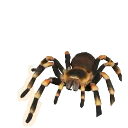
| DesertRainforestTemperate | Exhibit | Mexican Redknee is solitary “Mexican redknees are solitary animals and are likely to be aggressive towards each other if kept together in a terrarium.” |
| RainforestSavannahTemperate | Exhibit | Monarch is solitary “Non-migratory monarch butterflies are solitary for most of the year, while those who do migrate will cluster in massive swarms of up to 10,000 individuals.” |
| Rainforest | Exhibit | Red-Eyed Tree Frog is solitary “The red-eyed tree frog is a solitary animal but may live close to other frogs. Red-eyed tree frogs only interact in the mating season to mate or compete for mates.” |
Close, but ruled out by enclosure type
24 species share at least one biome with the Sri Lankan Rose but use a different enclosure type — a land habitat against an aquarium or a flying aviary — so they cannot be mixed however well the biomes line up.
African Leopard, Asian Elephant, Galápagos Giant Tortoise, Gharial, Golden Lion Tamarin, Goodfellow's Tree-Kangaroo, Great Hornbill, Grey Wolf, Javan Green Magpie, Komodo Dragon, Long-Tailed Parakeet, Malayan Tapir, North Sulawesi Babirusa, Ring-Tailed Lemur, Saltwater Crocodile, Siamang, Sumatran Orangutan, Sumatran Tiger, Sun Bear, Sunda Pangolin, Toco Toucan, Western Chimpanzee, Western Lowland Gorilla, Wild Boar
Behaviour, size and weight
Sri Lankan Rose is classed as Solitary in Frontier's Social & Reproduction notes: “The Sri Lankan rose is usually more solitary than other butterflies but may be found in pairs. Given abundant resources, larger groups can cohabit.” On size the game lists 0.15 m (legspan) for the male and 0.15 m for the female. Size and weight together decide the minimum habitat footprint, so use the female figure when you are sizing a breeding pair rather than a display animal.
FAQ
Can Sri Lankan Rose live with other animals in Planet Zoo 2?
No. 13 species share a biome and an enclosure type with Sri Lankan Rose, but every one of those pairings is ruled out by the official data, so it cannot be mixed into a shared habitat.
What biome does Sri Lankan Rose need in Planet Zoo 2?
Sri Lankan Rose accepts 1 biome: Rainforest. Biome is not cosmetic — a species placed outside its listed biomes will not thrive, however good the enclosure looks.
What barrier grade does Sri Lankan Rose need?
Sri Lankan Rose needs no barrier grade. With no barrier grade in the data, this species is shown behind glass in an aquarium or exhibit rather than behind a paddock fence.
Is Sri Lankan Rose in the base game or Deluxe?
Sri Lankan Rose ships with the base game in Planet Zoo 2 — no extra purchase is needed to add it to a zoo.
How big is Sri Lankan Rose in Planet Zoo 2?
Sri Lankan Rose is listed at 0.15 m (legspan), with an adult male weight of not published. Small-bodied species like this are the ones that fit into a starter zoo with room to spare, which is why they make good first purchases.
Is Sri Lankan Rose social or solitary?
Frontier's own Social & Reproduction text classes Sri Lankan Rose as solitary. “The Sri Lankan rose is usually more solitary than other butterflies but may be found in pairs. Given abundant resources, larger groups can cohabit.” That classification is what decides most of the compatibility verdicts on this page.
Related
All 130 animals · Full compatibility chart for Sri Lankan Rose · Aquarium animals · Aviary birds · Deluxe edition animals · System requirements