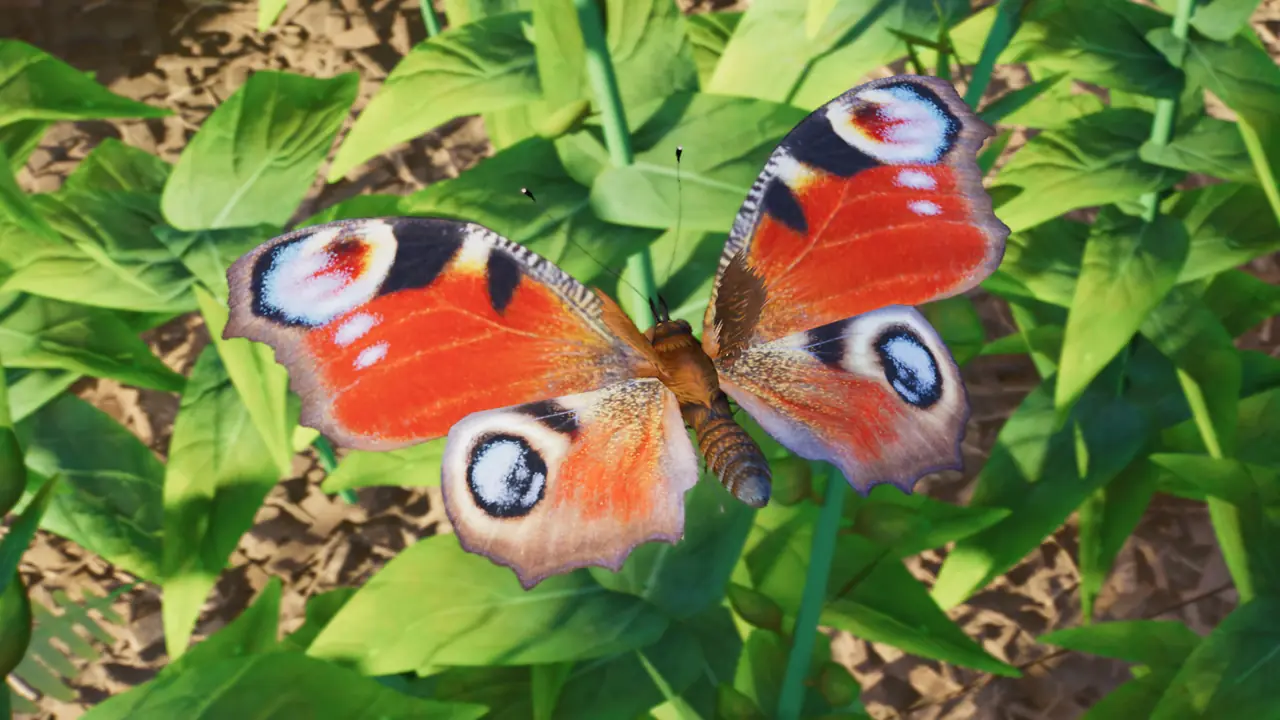
Planet Zoo 2 European Peacock — habitat, biome, size & which animals it can live with
European Peacock is one of the 130 Planet Zoo 2 launch species. It is housed in a Exhibit habitat, accepts the Savannah / Temperate biome, carries a no barrier requirement and is listed at 0.06 m (legspan). It shares a biome and an enclosure type with 13 other species, but the official species data rules out every one of those pairings, so it needs a habitat of its own.
Every figure on this page comes from the official Planet Zoo 2 Zoopedia export rather than trailer footage: biome, enclosure type, barrier grade, size and the compatibility verdicts are all taken from the game's own data.
Size (M)0.06 m
Weight (M)—
Barrier—
EnclosureExhibit
BiomesSavannah / Temperate
StatusLeast Concern
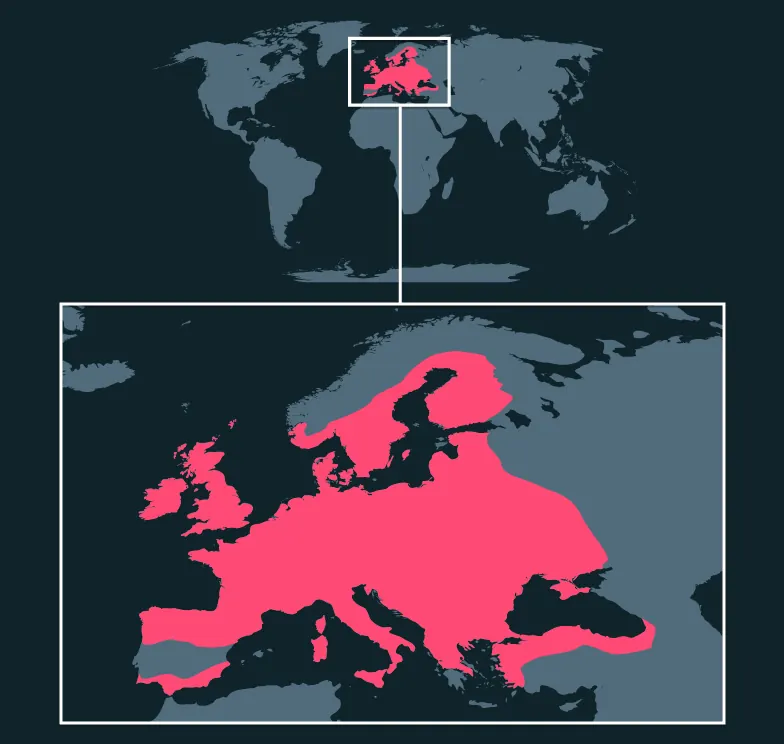
Where it lives in the wild
Asia · Europe
0verified enclosure-mates
0same biome + habitat
0.06 msize (male)
Nonebarrier grade
European Peacock at a glance
| Field | Value |
|---|
| Name | European Peacock |
| Group | Butterfly |
| Class | Insect |
| Biomes | Savannah / Temperate |
| Continents | Asia · Europe |
| Enclosure | Exhibit |
| Barrier | — |
| Size (male) | 0.06 m |
| Size (female) | 0.06 m |
| Weight (male) | — |
| Weight (female) | — |
| Conservation | Least Concern |
| Edition | Base game |
| Revealed | 2026-06-30 |
Source: official Planet Zoo 2 Zoopedia export (130 species). Also on the searchable animal list.
Enclosure and barrier requirements
European Peacock needs a Exhibit enclosure and accepts the Savannah / Temperate biomes. The barrier requirement is none at all, and that is the number to check before building: a Grade 4 animal behind a Grade 1 wall is the most common way a first zoo stalls.
Which animals can live with the European Peacock?
European Peacock shares a biome and an enclosure type with 13 other species, but every one of those pairings is ruled out by the official data, because one side of each pair is officially solitary.
Same biome, but not compatible
13 of the species that accept the Savannah / Temperate biome cannot share an enclosure with the European Peacock, because one side of the pair is officially solitary. These are the pairings people ask about most, so they are spelled out rather than left as an unexplained gap.
| Species | Biome | Enclosure | Why not |
|---|
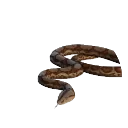
| RainforestSavannah | Exhibit | Boa Constrictor is solitary “Boa constrictors are solitary animals and do not interact in the wild, except when mating or fighting over mating rights.” |
| SavannahTaigaTemperate | Exhibit | European Peacock is solitary “The European peacock butterfly is largely solitary and males may defend their territory from other males they encounter.” |
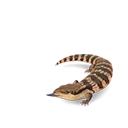
| RainforestSavannahTemperate | Exhibit | Common Bluetongue is solitary “Common bluetongues are solitary animals and only interact to mate or fight over mates.” |
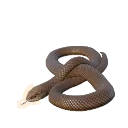
| DesertSavannahTemperate | Exhibit | Eastern Brown Snake is solitary “Adult male Eastern brown snakes are solitary, whereas females may interact with each other after laying their eggs; they will often do this…” |
| TemperateWetlands | Exhibit | European Peacock is solitary “The European peacock butterfly is largely solitary and males may defend their territory from other males they encounter.” |
| RainforestSavannah | Exhibit | European Peacock is solitary “The European peacock butterfly is largely solitary and males may defend their territory from other males they encounter.” |
| RainforestSavannah | Exhibit | European Peacock is solitary “The European peacock butterfly is largely solitary and males may defend their territory from other males they encounter.” |
| RainforestSavannah | Exhibit | European Peacock is solitary “The European peacock butterfly is largely solitary and males may defend their territory from other males they encounter.” |
| DesertRainforestTemperate | Exhibit | European Peacock is solitary “The European peacock butterfly is largely solitary and males may defend their territory from other males they encounter.” |
| RainforestSavannahTemperate | Exhibit | European Peacock is solitary “The European peacock butterfly is largely solitary and males may defend their territory from other males they encounter.” |
| SavannahTaigaTemperateTundra | Exhibit | European Peacock is solitary “The European peacock butterfly is largely solitary and males may defend their territory from other males they encounter.” |
| DesertSavannahTemperate | Exhibit | European Peacock is solitary “The European peacock butterfly is largely solitary and males may defend their territory from other males they encounter.” |
| SavannahWetlands | Exhibit | European Peacock is solitary “The European peacock butterfly is largely solitary and males may defend their territory from other males they encounter.” |
Close, but ruled out by enclosure type
45 species share at least one biome with the European Peacock but use a different enclosure type — a land habitat against an aquarium or a flying aviary — so they cannot be mixed however well the biomes line up.
Aardvark, African Leopard, African Penguin, African Savannah Elephant, African Wild Dog, Asian Elephant, Bactrian Camel, Black Wildebeest, Blue Wildebeest, Cape Buffalo, Common Hippopotamus, Common Ostrich, Common Warthog, Eurasian Beaver, Eurasian Bittern, Eurasian Brown Bear, Eurasian Lynx, European Bison, Gemsbok, Giant Panda, Golden Eagle, Greater Flamingo, Grey Wolf, Grizzly Bear, Lion, Long-Eared Owl, Masai Giraffe, Meerkat, Mountain Hare, Nile Monitor, Nyala, Plains Zebra, Przewalski's Horse, Red Deer, Red Panda, Reticulated Giraffe, Sable Antelope, Secretarybird, Spotted Hyena, Springbok
Behaviour, size and weight
European Peacock is classed as Solitary in Frontier's Social & Reproduction notes: “The European peacock butterfly is largely solitary and males may defend their territory from other males they encounter.” On size the game lists 0.06 m (legspan) for the male and 0.06 m for the female. Size and weight together decide the minimum habitat footprint, so use the female figure when you are sizing a breeding pair rather than a display animal.
FAQ
Can European Peacock live with other animals in Planet Zoo 2?
No. 13 species share a biome and an enclosure type with European Peacock, but every one of those pairings is ruled out by the official data, so it cannot be mixed into a shared habitat.
What biome does European Peacock need in Planet Zoo 2?
European Peacock accepts 2 biomes: Savannah / Temperate. Biome is not cosmetic — a species placed outside its listed biomes will not thrive, however good the enclosure looks.
What barrier grade does European Peacock need?
European Peacock needs no barrier grade. With no barrier grade in the data, this species is shown behind glass in an aquarium or exhibit rather than behind a paddock fence.
Is European Peacock in the base game or Deluxe?
European Peacock ships with the base game in Planet Zoo 2 — no extra purchase is needed to add it to a zoo.
How big is European Peacock in Planet Zoo 2?
European Peacock is listed at 0.06 m (legspan), with an adult male weight of not published. Small-bodied species like this are the ones that fit into a starter zoo with room to spare, which is why they make good first purchases.
Is European Peacock social or solitary?
Frontier's own Social & Reproduction text classes European Peacock as solitary. “The European peacock butterfly is largely solitary and males may defend their territory from other males they encounter.” That classification is what decides most of the compatibility verdicts on this page.
Related
All 130 animals · Full compatibility chart for European Peacock · Aquarium animals · Aviary birds · Deluxe edition animals · System requirements