Planet Zoo 2 Sand Tiger Shark — habitat, biome, size & which animals it can live with
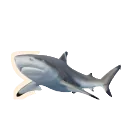
Sand Tiger Shark is one of the 136 Planet Zoo 2 launch species. It is kept in an Aquarium, accepts the Reef biome, has a Grade 3 at a minimum height of 1 m, and is listed at no published size. It shares a biome and an enclosure type with 23 other species, so it can be mixed into a shared enclosure — 13 of those pairings are confirmed by Frontier's own text.
Sand Tiger Shark at a glance
| Field | Value |
|---|---|
| Name | Sand Tiger Shark |
| Group | Shark |
| Class | Shark / Ray |
| Biomes | Reef |
| Continents | Atlantic Ocean · Indian Ocean · Pacific Ocean |
| Enclosure | Aquarium |
| Barrier | Grade 3 · 1m |
| Size (male) | no published size |
| Size (female) | — |
| Weight (male) | 90–120 kg |
| Weight (female) | 110–159 kg |
| Conservation | Critically Endangered |
| Edition | Base game |
| Revealed | 2026-10-13 |
| Care values | food cost, space, shelter, temperature |
| Enrichment | food-based & habitat items |
Source: official Planet Zoo 2 Zoopedia export (136 species). Also on the searchable animal list.
Enclosure and barrier requirements
Sand Tiger Shark is kept in an Aquarium and accepts the Reef biome. The barrier requirement is Grade 3 · 1m, and that is the number to check before building: a Grade 4 animal behind a Grade 1 wall is the most common way a first zoo stalls.
Which animals can live with the Sand Tiger Shark?
17 launch species share both a biome and an enclosure type with the Sand Tiger Shark, so they are the only candidates for a mixed habitat. Of those, 13 are confirmed group-living by Frontier's own text and 4 are unverified — both are listed rather than presented as equally safe.
| Species | Biome | Enclosure | Verdict | Evidence |
|---|---|---|---|---|
| EstuarineMangroveReef | Aquarium | Likely OK | Blacktip Reef Shark “The blacktip reef shark is a loosely social species. They often form groups when hunting prey in order to ‘herd’ schools of fish i…” | |
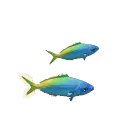
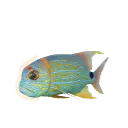
| Reef | AquariumExhibit | Likely OK | Blue and Gold Fusilier “The blue and gold fusilier is a highly social species that lives in large schools of hundreds of individuals and may mix with othe…” | |
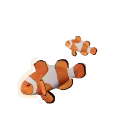
| Reef | AquariumExhibit | Likely OK | Clown Anemonefish “Clown anemonefish are highly social, living in small, structured groups within sea anemones where they form strict dominance hiera…” | |
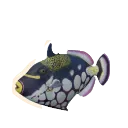
| Reef | Aquarium | Likely OK | Clown Triggerfish “Clown triggerfish are not social fish. They are primarily solitary and territorial, especially as adults. Individuals usually occu…” | |
| EstuarineReef | Aquarium | Likely OK | Golden Trevally “Golden trevally juveniles are schooling fish, and adults are known to school at times as well, and form aggregations while spawning.” | |
| Open SeaReef | Aquarium | Likely OK | Humphead Wrasse “Humphead wrasse are generally solitary, although may live in pairs or small groups temporarily for the purpose of breeding.” | |
| EstuarineReef | Aquarium | Likely OK | Indian Ocean Oriental Sweetlips “The Indian Ocean oriental sweetlips lives solitarily, in pairs or in small groups and is not a particularly social species.” | |
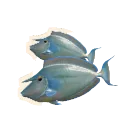
| Reef | Aquarium | Likely OK | Longfin Batfish “Longfin batfish are social and may be found alone, in pairs, small groups or large schools.” | |
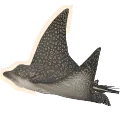
| EstuarineOpen SeaReef | Aquarium | Likely OK | Ocellated Eagle Ray “Ocellated eagle rays may be solitary or loosely social. They are often seen in groups for the purposes of feeding, breeding and travelling.” | |
| Reef | Aquarium | Likely OK | Sailfin Snapper “Sailfin snappers are moderately social fish. They are often observed swimming in small groups or loose schools, especially around…” | |
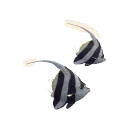
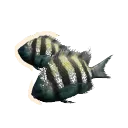
| Reef | AquariumExhibit | Likely OK | Schooling Bannerfish “The schooling bannerfish is a shoaling fish and is often found in large groups up to several hundred.” | |
| MangroveReef | AquariumExhibit | Likely OK | Threespot Damselfish “Threespot damselfish adults live in loose aggregates or harems, and juveniles live in small shoals. In areas where there is an abu…” | |
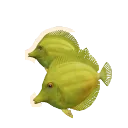
| Reef | AquariumExhibit | Likely OK | Yellow Tang “Yellow tangs form loose social feeding aggregations and may live in close quarters and form spawning groups, but they are not strongly social like schooling fish.” | |
| Reef | AquariumExhibit | Unverified | Frontier has not stated a social structure for this species. | |
| Open SeaReef | AquariumExhibit | Unverified | Frontier has not stated a social structure for this species. | |
| EstuarineOpen SeaReef | Aquarium | Unverified | Frontier has not stated a social structure for this species. | |
| Reef | AquariumExhibit | Unverified | Frontier has not stated a social structure for this species. |
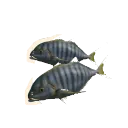
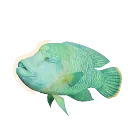
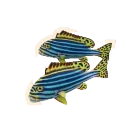
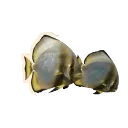
Rule: two animals can share an enclosure only when they share a biome and an enclosure type. Likely OK means Frontier's own Social & Reproduction text says both species live in groups; Unverified means the data does not say, so we do not guess. Pair-by-pair table: compatibility chart.
Same biome, but not compatible
6 of the species that accept the Reef biome cannot share an enclosure with the Sand Tiger Shark, because one side of the pair is officially solitary. These are the pairings people ask about most, so they are spelled out rather than left as an unexplained gap.
| Species | Biome | Enclosure | Why not |
|---|---|---|---|
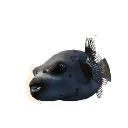
| Reef | Aquarium | Blackspotted Puffer is solitary “Blackspotted puffers are solitary and territorial, only interacting with conspecifics during the breeding season.” | |
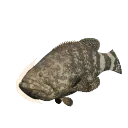
| EstuarineMangroveReef | Aquarium | Giant Grouper is solitary “Giant groupers are solitary fish, although they may form temporary aggregations during spawning.” | |
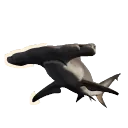
| Open SeaReef | Aquarium | Great Hammerhead is solitary “As opposed to some other species of hammerhead, the great hammerhead shark is a solitary animal.” | |
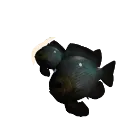
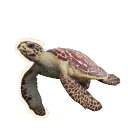
| EstuarineMangroveOpen SeaReef | Aquarium | Hawksbill Turtle is solitary “Hawksbill Turtles are solitary and only interact with other individuals to mate.” | |
| EstuarineMangroveOpen SeaReef | Aquarium | Indo-Pacific Leopard Shark is solitary “Indo-Pacific leopard sharks are usually solitary, but may gather in large groups on occasion for reasons unknown.” | |
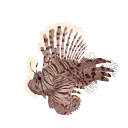
| EstuarineReef | Aquarium | Red Lionfish is solitary “Red lionfish are solitary but will gather in temporary harems during breeding events.” |
Close, but ruled out by enclosure type
Nothing: every species that shares a biome with the Sand Tiger Shark also shares its enclosure type.
Behaviour, size and weight
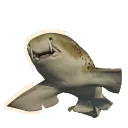
Sand Tiger Shark is classed as Social in Frontier's Social & Reproduction notes: “Sand tiger sharks are social and live in fission-fusion groups that may contain up to 200 individuals.” On size the game lists no published size for the male. Size and weight together decide the minimum habitat footprint, so use the female figure when you are sizing a breeding pair rather than a display animal.
Building for the Sand Tiger Shark in a starter zoo
The barrier is the first thing to plan: Grade 3 at a minimum height of 1 m. That is one of the stricter walls in the launch roster, so price the barrier before you buy the animal. Build the fence line before you place the animal, because a habitat that fails the barrier check will not accept it at all.
An aquarium is a water build rather than a paddock. The tank has to be filled and filtered, and the water type has to match the biome listed above — a tank built for a reef species will not accept a freshwater fish, even though both are aquariums.
It is classed as social, so it wants company of its own kind; a single animal alone in a habitat is the configuration that tends to go wrong.
Range and conservation status
Sand Tiger Shark is listed for Atlantic Ocean · Indian Ocean · Pacific Ocean. Its conservation status is Critically Endangered — the last category before Extinct in the Wild. Taxonomically the Zoopedia places it in order Lamniformes and the family Carchariidae. Conservation status is recorded for all 136 species in the official export and does not change how the animal is housed, but it is the field that tells you how rare the species is in the wild.
Which enclosure-mates to try first
If you want to try a mixed habitat, start with Blacktip Reef Shark, Ocellated Eagle Ray or Golden Trevally. Each one shares both the Reef biome and the Aquarium enclosure type with the Sand Tiger Shark, and Frontier's own text confirms both sides live in groups — that is what the Likely OK label means on this page.
The rest of the confirmed pairings are in the table above. Anything marked Unverified is a biome-and-enclosure match where the official text does not state a social structure, so it is listed rather than recommended. The full pair-by-pair view, including every species that is ruled out, is on the compatibility chart.
FAQ
Can Sand Tiger Shark live with other animals in Planet Zoo 2?
What biome does Sand Tiger Shark need in Planet Zoo 2?
What barrier grade does Sand Tiger Shark need?
Is Sand Tiger Shark in the base game or Deluxe?
How big is Sand Tiger Shark in Planet Zoo 2?
Is Sand Tiger Shark social or solitary?
What continent is the Sand Tiger Shark from in Planet Zoo 2?
Is the Sand Tiger Shark endangered?
Related
All 136 animals · Full compatibility chart for Sand Tiger Shark · Aquarium animals · Aviary birds · Deluxe edition animals · System requirements