Planet Zoo 2 Sacred Scarab Beetle — habitat, biome, size & which animals it can live with
Sacred Scarab Beetle is one of the 136 Planet Zoo 2 launch species. It is kept in an Exhibit, accepts the Desert biome, has no barrier requirement, and is listed at 0.02 m (length). It shares a biome and an enclosure type with 5 other species, but the official species data rules out every one of those pairings, so it needs a habitat of its own.
Every figure on this page comes from the official Planet Zoo 2 Zoopedia export rather than trailer footage: biome, enclosure type, barrier grade, size and the compatibility verdicts are all taken from the game's own data.
Size (M)0.02 m
Weight (M)—
Barrier—
EnclosureExhibit
BiomesDesert
StatusNot Evaluated
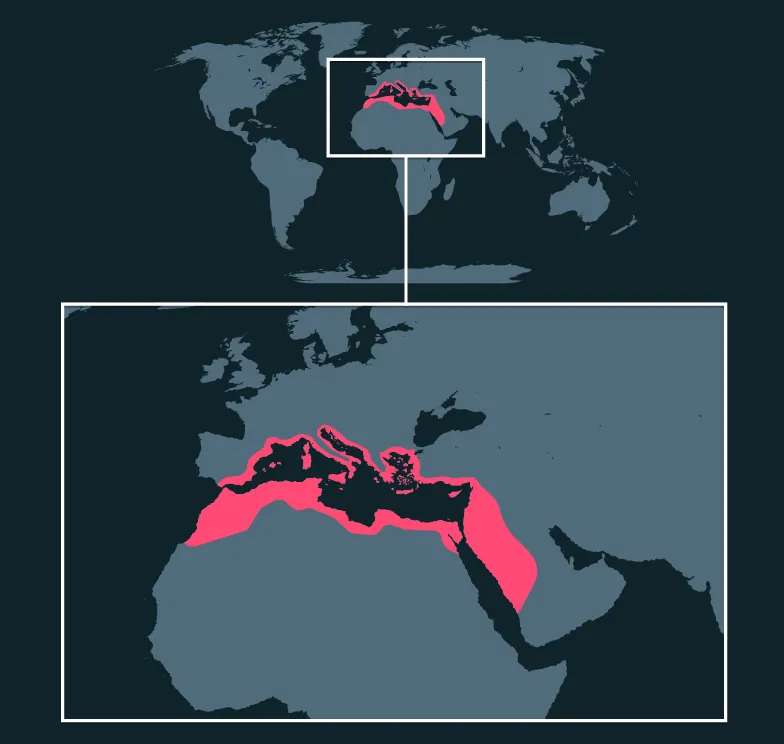
Where it lives in the wild
Africa · Asia · Europe
0verified enclosure-mates
0same biome + habitat
0.02 msize (male)
no barrier gradebarrier grade
Sacred Scarab Beetle at a glance
Source: official Planet Zoo 2 Zoopedia export (136 species). Also on the searchable animal list.
Enclosure and barrier requirements
Sacred Scarab Beetle is kept in an Exhibit and accepts the Desert biome. The barrier requirement is none at all, and that is the number to check before building: a Grade 4 animal behind a Grade 1 wall is the most common way a first zoo stalls.
Which animals can live with the Sacred Scarab Beetle?
Sacred Scarab Beetle shares a biome and an enclosure type with 5 other species, but every one of those pairings is ruled out by the official data, because one side of each pair is officially solitary or explicitly not social.
Same biome, but not compatible
5 of the species that accept the Desert biome cannot share an enclosure with the Sacred Scarab Beetle, because one side of the pair is officially solitary or explicitly not social. These are the pairings people ask about most, so they are spelled out rather than left as an unexplained gap.
| Species | Biome | Enclosure | Why not |
|---|
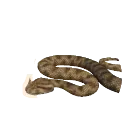
| Desert | Exhibit | Desert Horned Viper is solitary “Desert horned vipers are solitary. They only interact with other individuals to mate.” |
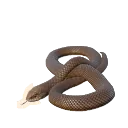
| DesertSavannahTemperate | Exhibit | Eastern Brown Snake is solitary “Adult male Eastern brown snakes are solitary, whereas females may interact with each other after laying their eggs; they will often do this…” |
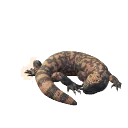
| Desert | Exhibit | Gila Monster is solitary “Gila monsters are solitary animals and only interact to mate and compete over mates.” |
| DesertRainforestTemperate | Exhibit | Mexican Redknee is solitary “Mexican redknees are solitary animals and are likely to be aggressive towards each other if kept together in a terrarium.” |
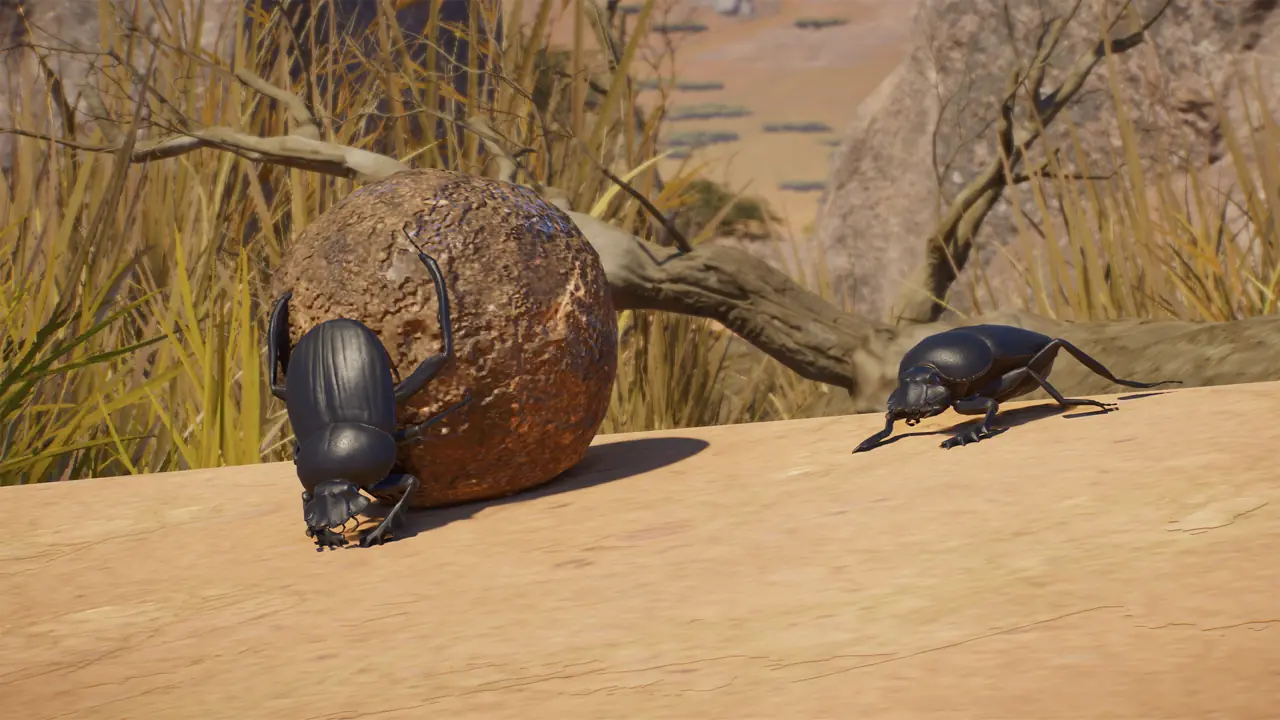
| DesertSavannahTemperate | Exhibit | Sacred Scarab Beetle is solitary “Sacred scarab beetles are solitary in the wild, but males and females will come together for nesting, and to compete for mates and dung balls.” |
Close, but ruled out by enclosure type
11 species share at least one biome with the Sacred Scarab Beetle but use a different enclosure type — a land habitat against an aquarium or a flying aviary — so they cannot be mixed however well the biomes line up.
African Savannah Elephant, Bactrian Camel, Black Rhinoceros, Gemsbok, Golden Eagle, Grey Wolf, Meerkat, Przewalski's Horse, Spotted Hyena, Springbok, White-Backed Vulture
What the Zoopedia says the Sacred Scarab Beetle can live with
Both columns of the Habitat tab read “No compatible species”. In Planet Zoo 2 the Sacred Scarab Beetle has no official companion at all — not a thriving partner, not even a neutral one — so its habitat is a single-species build by design.
This answers a different question from the Likely OK table above. That one tests whether two species pass the same biome-and-enclosure check and are both described as group-living; this one is Frontier naming the pairings it actually recommends. Where the two disagree, the game's own list is the one to build on.
Behaviour, size and weight
Sacred Scarab Beetle is classed as Solitary in Frontier's Social & Reproduction notes: “Sacred scarab beetles are solitary in the wild, but males and females will come together for nesting, and to compete for mates and dung balls.” On size the game lists 0.02 m (length) for the male and 0.02 m for the female. Size and weight together decide the minimum habitat footprint, so use the female figure when you are sizing a breeding pair rather than a display animal.
Building for the Sacred Scarab Beetle in a starter zoo
There is no barrier grade in the data, because this is not a fenced paddock animal: it is kept in an exhibit, where the enclosure itself is the barrier.
Exhibits are the smallest build in the game. They are a glass box rather than a habitat, they carry no barrier grade, and they are the cheapest way to add a species to a zoo that has no room for another paddock. Place the box before the animal: an exhibit that is too small will not accept it.
It is classed as solitary, so one adult to a habitat is the safe default. The welfare warnings in a shared build almost always trace back to this line.
Feeding costs and space for the Sacred Scarab Beetle
Food is the only recurring cost the Zoopedia prints, and for the Sacred Scarab Beetle it is $225 per adult per cycle. 30% of the 135 species that publish a figure cost less, which puts it in the cheaper half of the roster.
Scaled to the top of its population range (3 adults) that is $675 per cycle, against $225 for the minimum group of 1. The spread is the point: the same habitat costs 3 times as much to run full as it does nearly empty.
One more build fact comes off the same page: the habitat has to hold 20°C to 35°C.
How the Sacred Scarab Beetle breeds, and how long it lives
Numbers first: gestation runs 1 month and the shortest gap between litters is 10 months. That is roughly one litter a year, which is what makes this species sustainable without a second breeding pair.
The lifecycle numbers decide whether a breeding programme pays: offspring are independent immediately and breeding never stops with age — the sterility field reads “death”.
Range and conservation status
Sacred Scarab Beetle is listed for Africa · Asia · Europe. Its conservation status is Not Evaluated — not yet assessed against the IUCN categories. Taxonomically the Zoopedia places it in order Coleoptera and the family Scarabaeidae. Conservation status is recorded for all 136 species in the official export and does not change how the animal is housed, but it is the field that tells you how rare the species is in the wild.
Which enclosure-mates to try first
There is no enclosure-mate to try. 5 species share its biome and enclosure type and every one of those pairings is ruled out by the official data, so this is a single-species habitat by design.
FAQ
Can Sacred Scarab Beetle live with other animals in Planet Zoo 2?
No. 5 species share a biome and an enclosure type with Sacred Scarab Beetle, but every one of those pairings is ruled out by the official data, so it cannot be mixed into a shared habitat.
What biome does Sacred Scarab Beetle need in Planet Zoo 2?
Sacred Scarab Beetle accepts 1 biome: Desert. Biome is not cosmetic — a species placed outside its listed biomes will not thrive, however good the enclosure looks.
What barrier grade does Sacred Scarab Beetle need?
Sacred Scarab Beetle needs no barrier grade. With no barrier grade in the data, this species is shown behind glass in an aquarium or exhibit rather than behind a paddock fence.
Is Sacred Scarab Beetle in the base game or Deluxe?
Sacred Scarab Beetle ships with the base game in Planet Zoo 2 — no extra purchase is needed to add it to a zoo.
How big is Sacred Scarab Beetle in Planet Zoo 2?
Sacred Scarab Beetle is listed at 0.02 m (length), with an adult male weight of not published. Small-bodied species like this are the ones that fit into a starter zoo with room to spare, which is why they make good first purchases.
Is Sacred Scarab Beetle social or solitary?
Frontier's own Social & Reproduction text classes Sacred Scarab Beetle as solitary. “Sacred scarab beetles are solitary in the wild, but males and females will come together for nesting, and to compete for mates and dung balls.” That classification is what decides most of the compatibility verdicts on this page.
What continent is the Sacred Scarab Beetle from in Planet Zoo 2?
The Zoopedia lists it for Africa · Asia · Europe. Continent is a display and scenario field rather than a housing requirement — biome and enclosure type are what decide whether a habitat is accepted — but it is the fastest way to find species that fit a themed area.
Is the Sacred Scarab Beetle endangered?
It is listed as Not Evaluated, which is not yet assessed against the IUCN categories in the game's own Zoopedia export. The status carries no barrier or space penalty, so a Critically Endangered species is not harder to keep than a Least Concern one — it only changes how rare it is in the wild.
How much does it cost to feed a Sacred Scarab Beetle in Planet Zoo 2?
$225 per adult per cycle in the Zoopedia, so a habitat filled to the top of its 1-3 population range carries about $675 per cycle.
How often does the Sacred Scarab Beetle breed in Planet Zoo 2?
The interbirth period is 10 months, so that is the minimum gap between litters. Litter size is not published and young are independent at 0 years.
Related
All 136 animals · Full compatibility chart for Sacred Scarab Beetle · Aquarium animals · Aviary birds · Deluxe edition animals · System requirements