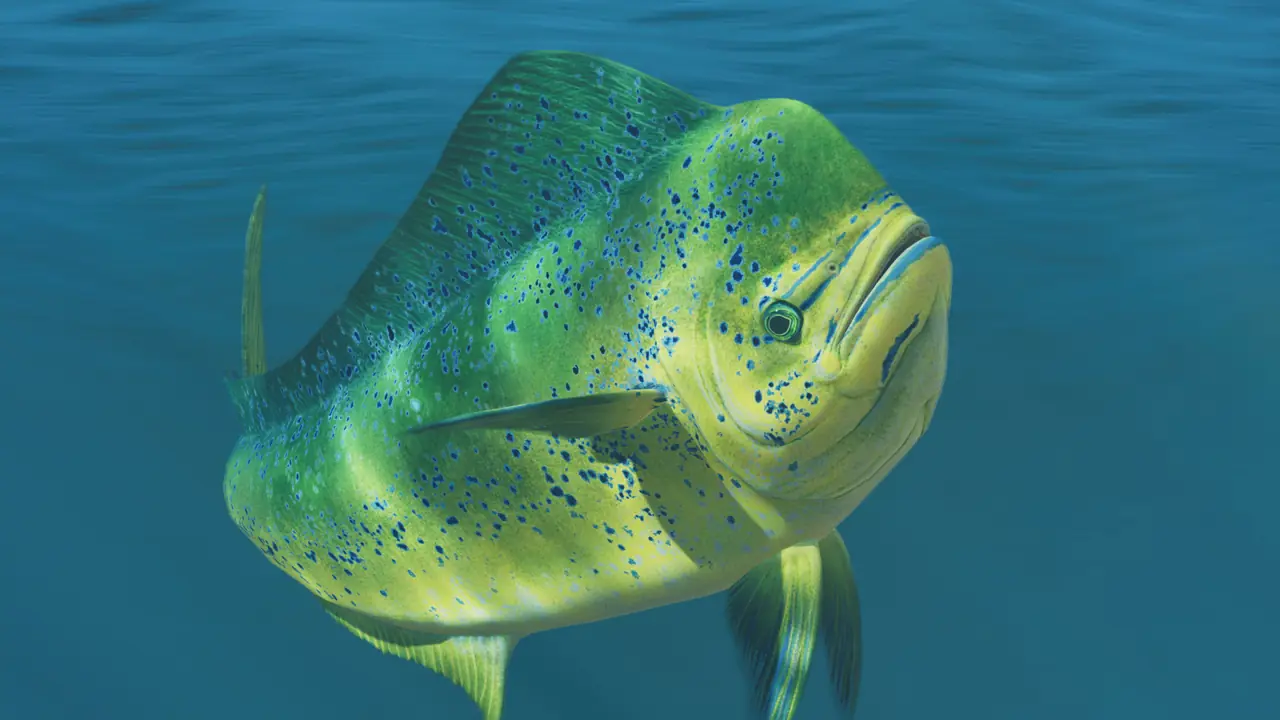
Planet Zoo 2 Dolphinfish — habitat, biome, size & which animals it can live with
Dolphinfish is one of the 136 Planet Zoo 2 launch species. It is kept in an Aquarium, accepts the Open Sea biome, has a Grade 2 at a minimum height of 1 m, and is listed at 1.00 m (length). It shares a biome and an enclosure type with 11 other species, so it can be mixed into a shared enclosure — 8 of those pairings are confirmed by Frontier's own text.
Every figure on this page comes from the official Planet Zoo 2 Zoopedia export rather than trailer footage: biome, enclosure type, barrier grade, size and the compatibility verdicts are all taken from the game's own data.
Size (M)1.00 m
Weight (M)—
BarrierGrade 2
EnclosureAquarium
BiomesOpen Sea
StatusLeast Concern
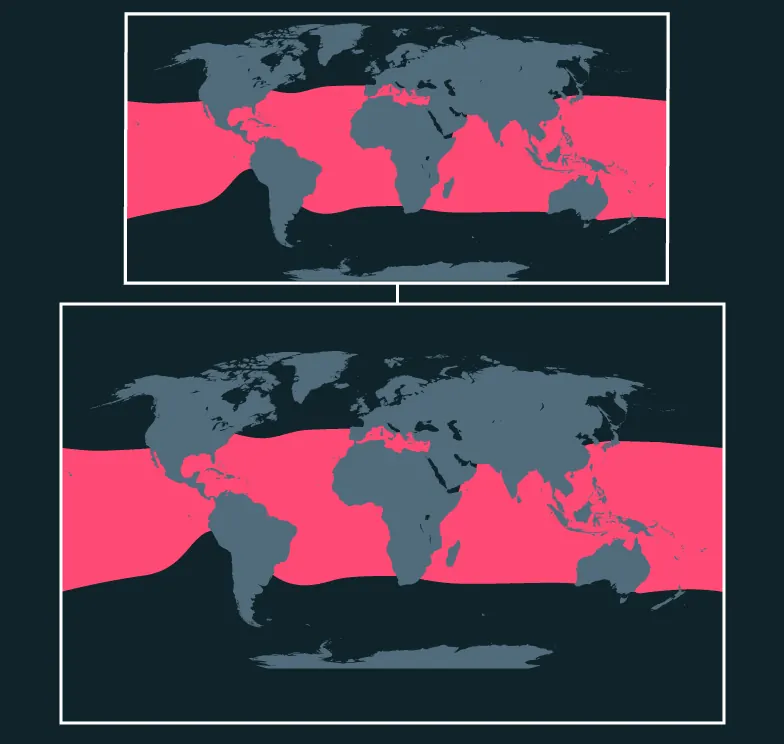
Where it lives in the wild
Atlantic Ocean · Indian Ocean · Pacific Ocean
8verified enclosure-mates
8same biome + habitat
1.00 msize (male)
Grade 2barrier grade
Dolphinfish at a glance
Source: official Planet Zoo 2 Zoopedia export (136 species). Also on the searchable animal list.
Enclosure and barrier requirements
Dolphinfish is kept in an Aquarium and accepts the Open Sea biome. The barrier requirement is Grade 2 · 1m, and that is the number to check before building: a Grade 4 animal behind a Grade 1 wall is the most common way a first zoo stalls.
Which animals can live with the Dolphinfish?
8 launch species share both a biome and an enclosure type with the Dolphinfish, so they are the only candidates for a mixed habitat. Of those, 8 are confirmed group-living by Frontier's own text and 0 are unverified — both are listed rather than presented as equally safe.
| Species | Biome | Enclosure | Verdict | Evidence |
|---|
| Open SeaReef | Aquarium | Likely OK | Humphead Wrasse “Humphead wrasse are generally solitary, although may live in pairs or small groups temporarily for the purpose of breeding.” |
| EstuarineMangroveOpen SeaReef | Aquarium | Likely OK | Indo-Pacific Leopard Shark “Indo-Pacific leopard sharks are usually solitary, but may gather in large groups on occasion for reasons unknown.” |
| Open SeaReef | AquariumExhibit | Likely OK | Indo-Pacific Sergeant “Indo-Pacific sergeants form small to large aggregations and live in these loose groups.” |
| EstuarineOpen SeaReef | Aquarium | Likely OK | Javanese Cownose Ray “Javanese cownose rays often swim in large groups, sometimes numbering in the hundreds, which helps them search for food and avoid predators.” |
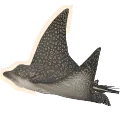
| EstuarineOpen SeaReef | Aquarium | Likely OK | Ocellated Eagle Ray “Ocellated eagle rays may be solitary or loosely social. They are often seen in groups for the purposes of feeding, breeding and travelling.” |
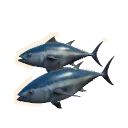
| Open Sea | Aquarium | Likely OK | Pacific Bluefin Tuna “Juvenile Pacific bluefin often form large schools, sometimes mixed with other tuna species, which helps reduce predation risk and improves foraging efficiency.” |
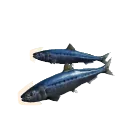
| Open Sea | Aquarium | Likely OK | Pacific Sardine “Pacific sardines live in shoals which may be made up of thousands if not millions of individuals.” |
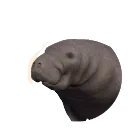
| EstuarineLakes & RiversMangroveOpen SeaWetlands | Aquarium | Likely OK | West Indian Manatee “Manatees are semi-social. They are likely to gather in groups for feeding and mating, and will interact with others when they meet…” |
Rule: two animals can share an enclosure only when they share a biome and an enclosure type. Likely OK means Frontier's own Social & Reproduction text says both species live in groups; Unverified means the data does not say, so we do not guess. Pair-by-pair table: compatibility chart.
Same biome, but not compatible
3 of the species that accept the Open Sea biome cannot share an enclosure with the Dolphinfish, because one side of the pair is officially solitary or explicitly not social. These are the pairings people ask about most, so they are spelled out rather than left as an unexplained gap.
| Species | Biome | Enclosure | Why not |
|---|
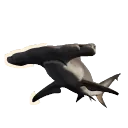
| Open SeaReef | Aquarium | Great Hammerhead is solitary “As opposed to some other species of hammerhead, the great hammerhead shark is a solitary animal.” |
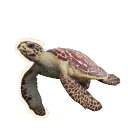
| EstuarineMangroveOpen SeaReef | Aquarium | Hawksbill Turtle is solitary “Hawksbill Turtles are solitary and only interact with other individuals to mate.” |
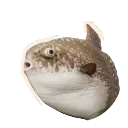
| Open Sea | Aquarium | Ocean Sunfish is solitary “Ocean sunfish are solitary animals.” |
Close, but ruled out by enclosure type
2 species share at least one biome with the Dolphinfish but use a different enclosure type — a land habitat against an aquarium or a flying aviary — so they cannot be mixed however well the biomes line up.
African Penguin, Moon Jelly
What the Zoopedia says the Dolphinfish can live with
The Thriving column reads “No compatible species”: nothing in the launch roster gives the Dolphinfish a compatibility bonus. The Neutral column is not empty, though — 13 species are listed as safe to keep alongside it, just without a bonus.
Transcribed from the official Zoopedia Habitat tab. Thriving is the pairing the game rewards; Neutral means the pair is accepted with no bonus either way.
This answers a different question from the Likely OK table above. That one tests whether two species pass the same biome-and-enclosure check and are both described as group-living; this one is Frontier naming the pairings it actually recommends. Where the two disagree, the game's own list is the one to build on.
Behaviour, size and weight
Dolphinfish is classed as Social in Frontier's Social & Reproduction notes: “Dolphinfish are generally social and schooling fish, especially when they are young or of similar size. Juveniles and smaller adults often travel in large, fast-moving schools, which helps t…” On size the game lists 1.00 m (length) for the male and 1.00 m for the female. Size and weight together decide the minimum habitat footprint, so use the female figure when you are sizing a breeding pair rather than a display animal.
Building for the Dolphinfish in a starter zoo
The barrier is the first thing to plan: Grade 2 at a minimum height of 1 m. That is a cheap early-game wall, and it is part of what makes this species easy to house in a new zoo. Build the fence line before you place the animal, because a habitat that fails the barrier check will not accept it at all.
An aquarium is a water build rather than a paddock. The tank has to be filled and filtered, and the water type has to match the biome listed above — a tank built for a reef species will not accept a freshwater fish, even though both are aquariums.
It is classed as social, so it wants company of its own kind; a single animal alone in a habitat is the configuration that tends to go wrong.
Feeding costs and space for the Dolphinfish
Food is the only recurring cost the Zoopedia prints, and for the Dolphinfish it is $197 per adult per cycle. 27% of the 135 species that publish a figure cost less, which puts it in the cheaper half of the roster.
Scaled to the top of its population range (4 adults) that is $788 per cycle, against $197 for the minimum group of 1. The spread is the point: the same habitat costs 4 times as much to run full as it does nearly empty.
Space is the other half of the sum. The Zoopedia's minimum is 400m² of deep water area, and that minimum does not shrink for a small group — which is why the per-animal figure matters: at 4 adults it works out at 100 m² each. Budget the full 400m² even if you only start with a pair, or you will be rebuilding the fence line later.
Four more build facts come off the same page: the habitat has to hold 24°C to 28°C, the water is saltwater, guests can walk through it and the game lists its temperament as Confident.
How the Dolphinfish breeds, and how long it lives
Numbers first: the Zoopedia prints no incubation period at all (0 months), a litter is 1 to 5 and the shortest gap between litters is 6 months. That is about 10 litters a year at the top of the range — fast enough that surplus animals, not enclosure space, become the constraint.
The lifecycle numbers decide whether a breeding programme pays: the young are independent at 1 year, breeding never stops with age — the sterility field reads “death” and the three life stages add up to roughly 5 years.
At about 5 years per animal, one purchase of the Dolphinfish is a short-lived line in game time. Its reproduction difficulty is rated Easy, so the limiter is patience rather than micromanagement.
Range and conservation status
Dolphinfish is listed for Atlantic Ocean · Indian Ocean · Pacific Ocean. Its conservation status is Least Concern — not currently a species conservationists are worried about. Taxonomically the Zoopedia places it in order Carangiformes and the family Coryphaenidae. Conservation status is recorded for all 136 species in the official export and does not change how the animal is housed, but it is the field that tells you how rare the species is in the wild.
Which enclosure-mates to try first
If you want to try a mixed habitat, start with West Indian Manatee, Indo-Pacific Leopard Shark or Javanese Cownose Ray. Each one shares both the Open Sea biome and the Aquarium enclosure type with the Dolphinfish, and Frontier's own text confirms both sides live in groups — that is what the Likely OK label means on this page.
The rest of the confirmed pairings are in the table above. Anything marked Unverified is a biome-and-enclosure match where the official text does not state a social structure, so it is listed rather than recommended. The full pair-by-pair view, including every species that is ruled out, is on the compatibility chart.
FAQ
Can Dolphinfish live with other animals in Planet Zoo 2?
Yes. 8 launch species share both a biome and an enclosure type with Dolphinfish, and 8 of those are confirmed as group-living by Frontier's own text. Keep the Open Sea biome and the Aquarium habitat constant and mixing them is a data question, not a guess.
What biome does Dolphinfish need in Planet Zoo 2?
Dolphinfish accepts 1 biome: Open Sea. Biome is not cosmetic — a species placed outside its listed biomes will not thrive, however good the enclosure looks.
What barrier grade does Dolphinfish need?
Dolphinfish needs Grade 2 · 1m. Grade 1 to 2 sits at the cheap end of the range, which makes this a species you can house early in a new zoo without a rebuild.
Is Dolphinfish in the base game or Deluxe?
Dolphinfish ships with the base game in Planet Zoo 2 — no extra purchase is needed to add it to a zoo.
How big is Dolphinfish in Planet Zoo 2?
Dolphinfish is listed at 1.00 m (length), with an adult male weight of not published. Small-bodied species like this are the ones that fit into a starter zoo with room to spare, which is why they make good first purchases.
Is Dolphinfish social or solitary?
Frontier's own Social & Reproduction text classes Dolphinfish as social. “Dolphinfish are generally social and schooling fish, especially when they are young or of similar size. Juveniles and smaller adults often travel in l…” That classification is what decides most of the compatibility verdicts on this page.
What continent is the Dolphinfish from in Planet Zoo 2?
The Zoopedia lists it for Atlantic Ocean · Indian Ocean · Pacific Ocean. Continent is a display and scenario field rather than a housing requirement — biome and enclosure type are what decide whether a habitat is accepted — but it is the fastest way to find species that fit a themed area.
Is the Dolphinfish endangered?
It is listed as Least Concern, which is not currently a species conservationists are worried about in the game's own Zoopedia export. The status carries no barrier or space penalty, so a Critically Endangered species is not harder to keep than a Least Concern one — it only changes how rare it is in the wild.
How much does it cost to feed a Dolphinfish in Planet Zoo 2?
$197 per adult per cycle in the Zoopedia, so a habitat filled to the top of its 1-4 population range carries about $788 per cycle.
How often does the Dolphinfish breed in Planet Zoo 2?
The interbirth period is 6 months, so that is the minimum gap between litters. Litter size is 1-5 and young are independent at 1 year.
Related
All 136 animals · Full compatibility chart for Dolphinfish · Aquarium animals · Aviary birds · Deluxe edition animals · System requirements