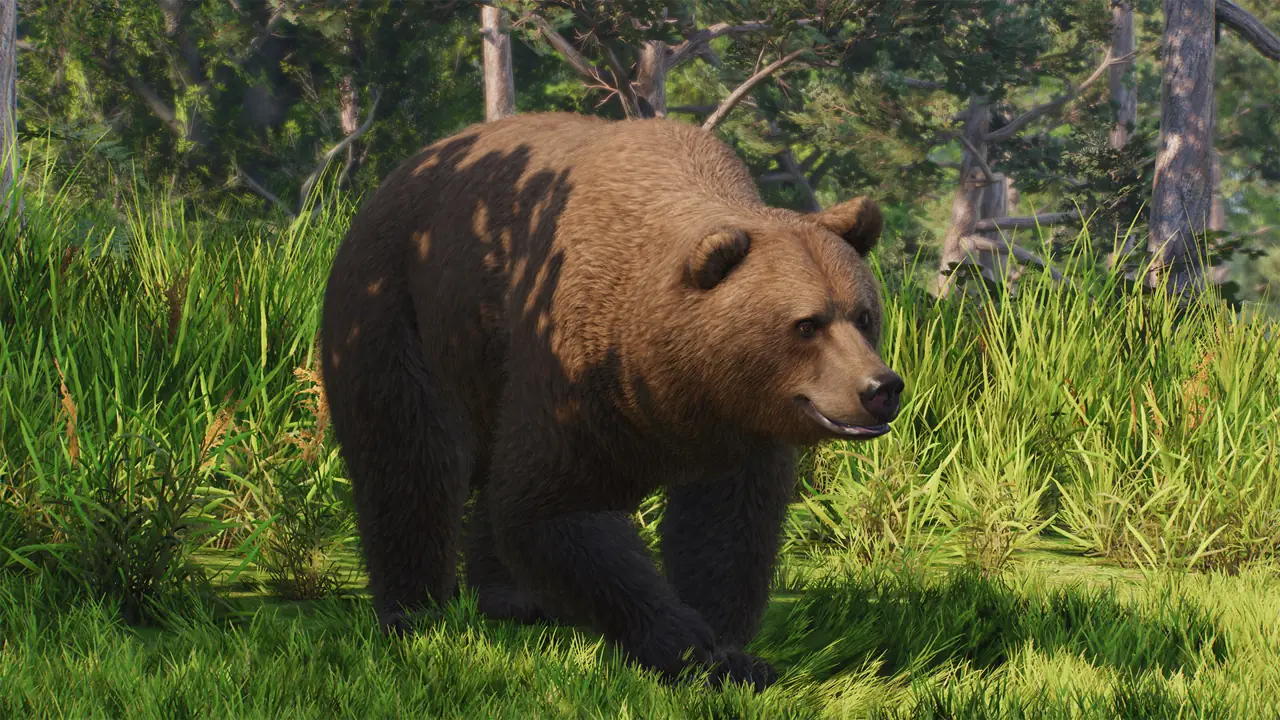
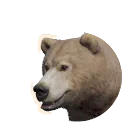
Planet Zoo 2 Eurasian Brown Bear — habitat, biome, size & which animals it can live with
Eurasian Brown Bear is one of the 130 Planet Zoo 2 launch species. It is housed in a Habitat habitat, accepts the Taiga / Temperate / Tundra biome, carries a Grade 3 · 3m · climb-proof barrier requirement and is listed at 2.10 m (nosetorump). It shares a biome and an enclosure type with 12 other species, so it can be mixed into a shared enclosure — 4 of those pairings are confirmed by Frontier's own text.
Every figure on this page comes from the official Planet Zoo 2 Zoopedia export rather than trailer footage: biome, enclosure type, barrier grade, size and the compatibility verdicts are all taken from the game's own data.
Size (M)2.10 m
Weight (M)350–500 kg
BarrierGrade 3 + climb-proof
EnclosureHabitat
BiomesTaiga / Temperate / Tundra
StatusLeast Concern
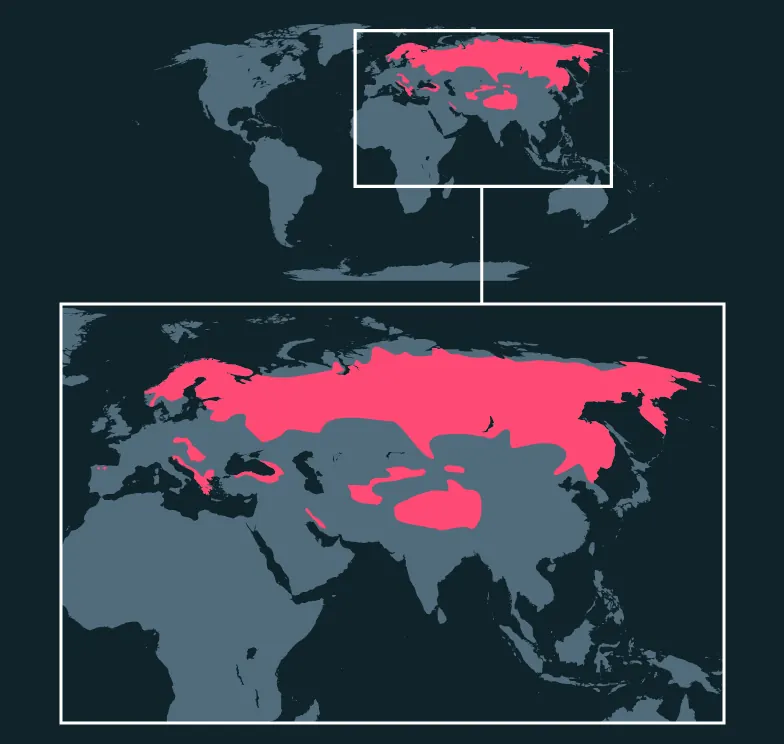
Where it lives in the wild
Asia · Europe
4verified enclosure-mates
5same biome + habitat
2.10 msize (male)
Grade 3barrier grade
Eurasian Brown Bear at a glance
| Field | Value |
|---|
| Name | Eurasian Brown Bear |
| Group | Bear |
| Class | Mammal |
| Biomes | Taiga / Temperate / Tundra |
| Continents | Asia · Europe |
| Enclosure | Habitat |
| Barrier | Grade 3 · 3m · climb-proof |
| Size (male) | 2.10 m |
| Size (female) | 1.80 m |
| Weight (male) | 350–500 kg |
| Weight (female) | 150–300 kg |
| Conservation | Least Concern |
| Edition | Base game |
| Revealed | 2026-07-07 |
Source: official Planet Zoo 2 Zoopedia export (130 species). Also on the searchable animal list.
Enclosure and barrier requirements
Eurasian Brown Bear needs a Habitat enclosure and accepts the Taiga / Temperate / Tundra biomes. The barrier requirement is Grade 3 · 3m · climb-proof, and that is the number to check before building: a Grade 4 animal behind a Grade 1 wall is the most common way a first zoo stalls.
Which animals can live with the Eurasian Brown Bear?
5 launch species share both a biome and an enclosure type with the Eurasian Brown Bear, so they are the only candidates for a mixed habitat. Of those, 4 are confirmed group-living by Frontier's own text and 1 are unverified — both are listed rather than presented as equally safe.
| Species | Biome | Enclosure | Verdict | Evidence |
|---|
| DesertSavannahTemperate | Habitat | Likely OK | Bactrian Camel “Camels are social animals, living in harem groups in the wild comprised of a dominant male, several female mates and their offspring.” |
| TaigaTemperate | Habitat | Likely OK | European Bison “European bison live in mixed herds of females and their offspring, including sub adult males. Mature males live together in pairs…” |
| DesertRainforestSavannahTaigaTemperateTundra | Habitat | Likely OK | Grey Wolf “Wolves are very social animals that live in family packs. An average pack contains one alpha male, one alpha female, their young a…” |
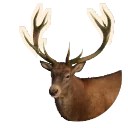
| Temperate | Habitat | Likely OK | Red Deer “Red deer live in different group compositions, out of which loose herds of up to 400 animals can form, depending on food availability and time of year.” |
| Lakes & RiversTaigaTemperate | Habitat | Unverified | Frontier has not stated a social structure for this species. |
Rule: two animals can share an enclosure only when they share a biome and an enclosure type. Likely OK means Frontier's own Social & Reproduction text says both species live in groups; Unverified means the data does not say, so we do not guess. Pair-by-pair table: compatibility chart.
Same biome, but not compatible
7 of the species that accept the Taiga / Temperate / Tundra biome cannot share an enclosure with the Eurasian Brown Bear, because one side of the pair is officially solitary. These are the pairings people ask about most, so they are spelled out rather than left as an unexplained gap.
| Species | Biome | Enclosure | Why not |
|---|
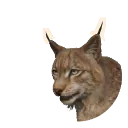
| TaigaTemperateTundra | Habitat | Eurasian Lynx is solitary “In the wild, lynx are solitary animals and live alone except for mothers with their cubs. However, male and female lynx are known to form strong bonds in captivity.” |
| Temperate | Habitat | Giant Panda is solitary “Pandas are solitary creatures but will interact if they come across each other. However, females are more territorial than males and may cha…” |
| TaigaTemperateTundraWetlands | Habitat | Grizzly Bear is solitary “Grizzly bears are solitary, the only exception being a mother with her cubs. They only interact with each other to mate or fight over mates.” |
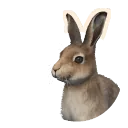
| TaigaTemperateTundra | Habitat | Mountain Hare is solitary “Mountain hares are largely solitary but will interact during the breeding season and may gather at food sources when food is scarce.” |
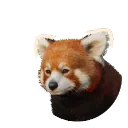
| TaigaTemperate | Habitat | Red Panda is solitary “Red pandas are solitary and territorial animals, with males having larger territories than females. In nature, the two only interact during the mating season.” |
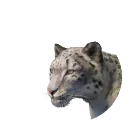
| TaigaTundra | Habitat | Snow Leopard is solitary “Snow leopards are solitary animals and live alone, unless it is a mother with her cubs. They have home ranges, but are not aggressively terr…” |
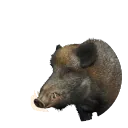
| RainforestSavannahTemperateWetlands | Habitat | Wild Boar is solitary “Female wild boars live in sounders led by an old matriarch, consisting of non-breeding females and mothers with their offspring. Adult males…” |
Close, but ruled out by enclosure type
14 species share at least one biome with the Eurasian Brown Bear but use a different enclosure type — a land habitat against an aquarium or a flying aviary — so they cannot be mixed however well the biomes line up.
Cloudless Sulphur, Common Bluetongue, Eastern Brown Snake, Eurasian Bittern, European Peacock, Fire Salamander, Golden Eagle, Greater Flamingo, Long-Eared Owl, Mexican Redknee, Monarch, Old World Swallowtail, Western Diamondback Rattlesnake, White-Tailed Sea-Eagle
Behaviour, size and weight
Eurasian Brown Bear is classed as Mixed group in Frontier's Social & Reproduction notes: “Except for a mother with her cubs, brown bears are solitary. They only interact with each other to mate or fight over mates. They may be seen in close quarters when there is a desirable food…” On size the game lists 2.10 m (nosetorump) for the male and 1.80 m for the female. Size and weight together decide the minimum habitat footprint, so use the female figure when you are sizing a breeding pair rather than a display animal.
FAQ
Can Eurasian Brown Bear live with other animals in Planet Zoo 2?
Yes. 5 launch species share both a biome and an enclosure type with Eurasian Brown Bear, and 4 of those are confirmed as group-living by Frontier's own text. Keep the Taiga / Temperate / Tundra biome and the Habitat habitat constant and mixing them is a data question, not a guess.
What biome does Eurasian Brown Bear need in Planet Zoo 2?
Eurasian Brown Bear accepts 3 biomes: Taiga / Temperate / Tundra. Biome is not cosmetic — a species placed outside its listed biomes will not thrive, however good the enclosure looks.
What barrier grade does Eurasian Brown Bear need?
Eurasian Brown Bear needs Grade 3 · 3m · climb-proof. That is one of the stricter requirements in the launch roster, so budget the wall before the animal and remember that a Grade 3 fence is also the tallest build you will place.
Is Eurasian Brown Bear in the base game or Deluxe?
Eurasian Brown Bear ships with the base game in Planet Zoo 2 — no extra purchase is needed to add it to a zoo.
How big is Eurasian Brown Bear in Planet Zoo 2?
Eurasian Brown Bear is listed at 2.10 m (nosetorump), with an adult male weight of 350–500 kg. That body length, not the barrier height, is what sets the minimum enclosure footprint, so plan the habitat around the animal's size before you pick the plot.
Is Eurasian Brown Bear social or solitary?
Frontier's own Social & Reproduction text classes Eurasian Brown Bear as mixed group. “Except for a mother with her cubs, brown bears are solitary. They only interact with each other to mate or fight over mates. They may be seen in close…” That classification is what decides most of the compatibility verdicts on this page.
Related
All 130 animals · Full compatibility chart for Eurasian Brown Bear · Aquarium animals · Aviary birds · Deluxe edition animals · System requirements