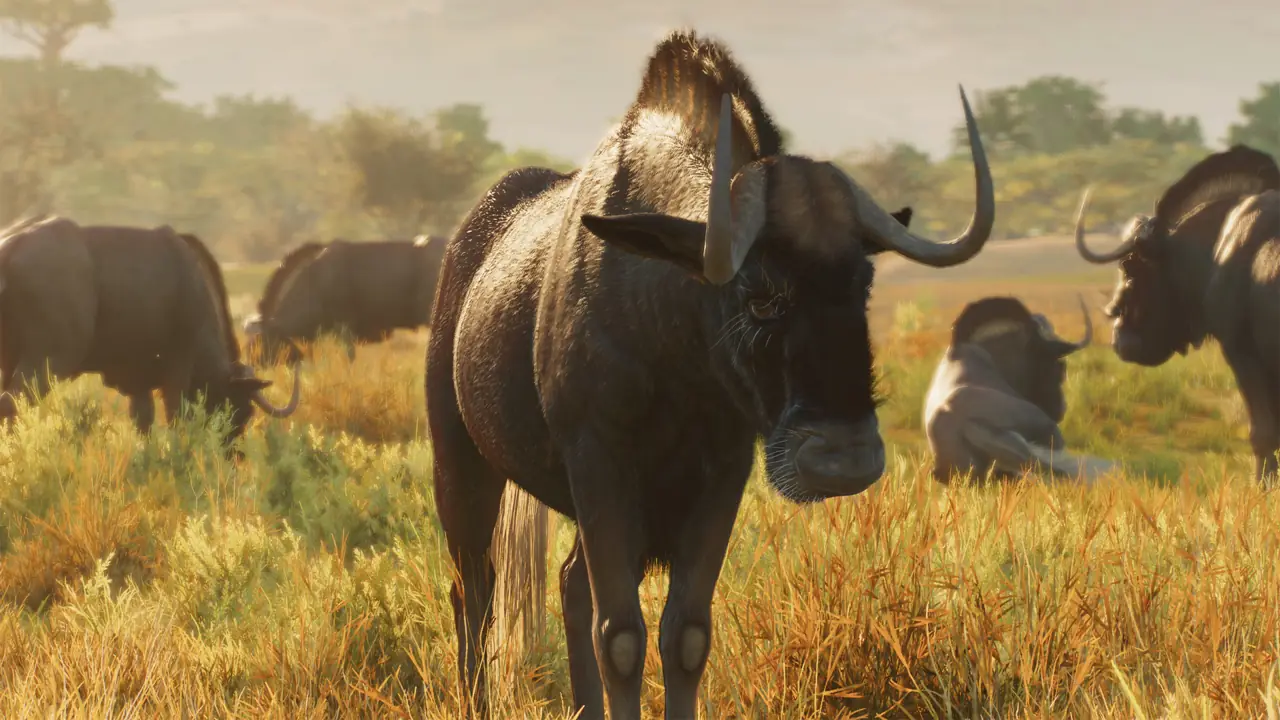
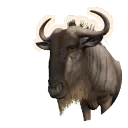
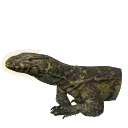
Planet Zoo 2 Black Wildebeest — habitat, biome, size & which animals it can live with
Black Wildebeest is one of the 136 Planet Zoo 2 launch species. It is kept in a Habitat, accepts the Savannah biome, has a Grade 2 at a minimum height of 1.25 m, and is listed at 1.10 m (shoulder). It shares a biome and an enclosure type with 28 other species, so it can be mixed into a shared enclosure — 25 of those pairings are confirmed by Frontier's own text.
Every figure on this page comes from the official Planet Zoo 2 Zoopedia export rather than trailer footage: biome, enclosure type, barrier grade, size and the compatibility verdicts are all taken from the game's own data.
Size (M)1.10 m
Weight (M)170 kg
BarrierGrade 2
EnclosureHabitat
BiomesSavannah
StatusLeast Concern
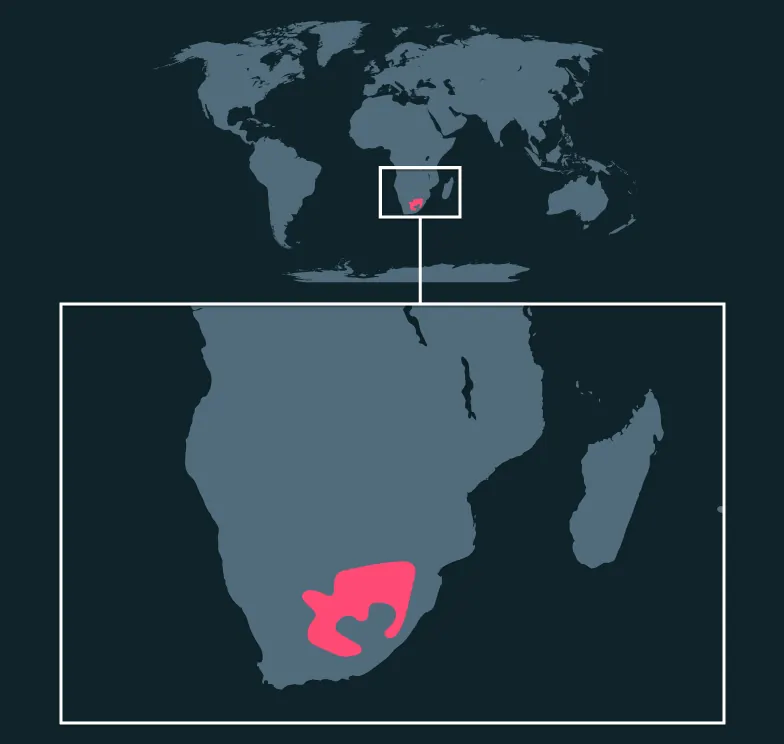
Where it lives in the wild
Africa
25verified enclosure-mates
25same biome + habitat
1.10 msize (male)
Grade 2barrier grade
Black Wildebeest at a glance
Source: official Planet Zoo 2 Zoopedia export (136 species). Also on the searchable animal list.
Real-world version: A Black Wildebeest belongs in a habitat, not a living room — a figure is the compromise.
Affiliate links: PZ2 Tools earns from qualifying purchases, and the price stays on Amazon and changes without notice.
Enclosure and barrier requirements
Black Wildebeest is kept in a Habitat and accepts the Savannah biome. The barrier requirement is Grade 2 · 1.25m, and that is the number to check before building: a Grade 4 animal behind a Grade 1 wall is the most common way a first zoo stalls.
Which animals can live with the Black Wildebeest?
25 launch species share both a biome and an enclosure type with the Black Wildebeest, so they are the only candidates for a mixed habitat. Of those, 25 are confirmed group-living by Frontier's own text and 0 are unverified — both are listed rather than presented as equally safe.
| Species | Biome | Enclosure | Verdict | Evidence |
|---|
| Open SeaSavannah | Habitat | Likely OK | African Penguin “African penguins are social animals and when not foraging at sea, they live in extremely large colonies of many thousands of mated pairs.” |
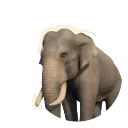
| DesertSavannahWetlands | Habitat | Likely OK | African Savannah Elephant “Elephants are social animals, the exception being mature males who usually live alone. Females live in closely bonded family herds…” |
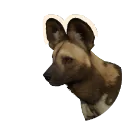
| Savannah | Habitat | Likely OK | African Wild Dog “African wild dogs are extremely social animals. They live in packs with an alpha male and female, who both lead the group on hunts and act as the main decision makers.” |
| RainforestSavannahWetlands | Habitat | Likely OK | Asian Elephant “Elephants are mostly social animals, with females living, travelling and foraging in tight-knit herds with their calves. They will…” |
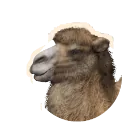
| DesertSavannahTemperate | Habitat | Likely OK | Bactrian Camel “Camels are social animals, living in harem groups in the wild comprised of a dominant male, several female mates and their offspring.” |
| DesertSavannah | Habitat | Likely OK | Black Rhinoceros “Black rhinoceroses are generally solitary, except for mothers and their calves. Fleeting, loose bonds may form between individuals when they encounter each other.” |
| Savannah | Habitat | Likely OK | Blue Wildebeest “In the wild, blue wildebeest congregate in large herds comprised of several subgroups of related females and their offspring, bach…” |
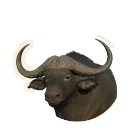
| SavannahWetlands | Habitat | Likely OK | Cape Buffalo “Cape buffalo live in herds made up of related female groups, with bachelor groups and solitary dominant males on the periphery of the female group.” |
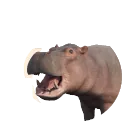
| Lakes & RiversSavannahWetlands | Habitat | Likely OK | Common Hippopotamus “Hippos interact with each other, but do not form close groups or bonds. Mature males are semi-solitary and territorial, presiding…” |
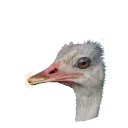
| Savannah | Habitat | Likely OK | Common Ostrich “In the wild, ostriches are primarily social animals. During the breeding season, a small group of females will inhabit the territo…” |
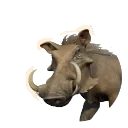
| Savannah | Habitat | Likely OK | Common Warthog “Warthogs have a complex social structure. Mature females tend to live in interrelated groups with their offspring. However, year-o…” |
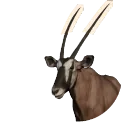
| DesertSavannah | Habitat | Likely OK | Gemsbok “A herd of Gemsbok numbers between 10 and 30. The females group together in interrelated herds with their young offspring, usually…” |
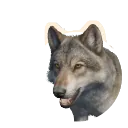
| DesertRainforestSavannahTaigaTemperateTundra | Habitat | Likely OK | Grey Wolf “Wolves are very social animals that live in family packs. An average pack contains one alpha male, one alpha female, their young a…” |
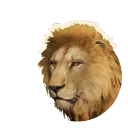
| Savannah | Habitat | Likely OK | Lion “Lions are social animals. In the wild, a pride usually consists of several related females and their young, a dominant male and one or two subordinate males.” |
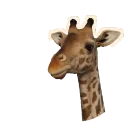
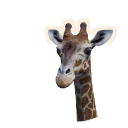
| Savannah | Habitat | Likely OK | Masai Giraffe “Masai giraffes live in fluid, fission-fusion social groups, meaning individuals frequently join or leave groups without developing…” |
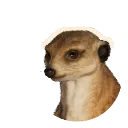
| DesertSavannah | Habitat | Likely OK | Meerkat “Meerkats live in family packs and are considered to be ‘eusocial’, meaning highly socially organised and pack members have strongly defined roles within their group.” |
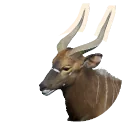
| Savannah | Habitat | Likely OK | Nyala “Female nyala live in small groups with their offspring and forage through the undergrowth together. Adult males are solitary, livi…” |
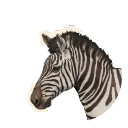
| Savannah | Habitat | Likely OK | Plains Zebra “Plains zebra live in cohesive herds in the wild, which can be composed of several harems that consist of one stallion, several females and their young offspring.” |
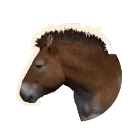
| DesertSavannah | Habitat | Likely OK | Przewalski's Horse “Przewalski’s horses live in cohesive herds, which are composed of several harems. In a harem there is one mature stallion, several females and their young offspring.” |
| Savannah | Habitat | Likely OK | Reticulated Giraffe “Reticulated giraffes live in loosely-bonded groups. Females live in herds that forage and travel together, but may leave and join several groups in their lifetime.” |
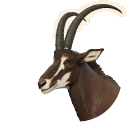
| Savannah | Habitat | Likely OK | Sable Antelope “The sable antelope is a social herd species and in the wild live in two two types of groups: in breeding groups of related females…” |
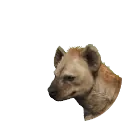
| DesertSavannah | Habitat | Likely OK | Spotted Hyena “Hyenas are social animals that live in 'clans' of related females, immigrant males and their cubs. They have a communal den which…” |
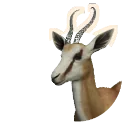
| DesertSavannah | Habitat | Likely OK | Springbok “Springboks have a complex and changeable social structure. Like most ungulates, they live in herds that can be composed of multiple group types.” |
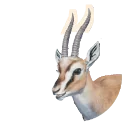
| Savannah | Habitat | Likely OK | Thomson's Gazelle “Thomson's gazelle have a complex and changeable social structure. Like most ungulates, they live in herds composed of multiple gro…” |
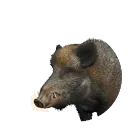
| RainforestSavannahTemperateWetlands | Habitat | Likely OK | Wild Boar “Female wild boars live in sounders led by an old matriarch, consisting of non-breeding females and mothers with their offspring. A…” |
Rule: two animals can share an enclosure only when they share a biome and an enclosure type. Likely OK means Frontier's own Social & Reproduction text says both species live in groups; Unverified means the data does not say, so we do not guess. Pair-by-pair table: compatibility chart.
Same biome, but not compatible
3 of the species that accept the Savannah biome cannot share an enclosure with the Black Wildebeest, because one side of the pair is officially solitary or explicitly not social. These are the pairings people ask about most, so they are spelled out rather than left as an unexplained gap.
| Species | Biome | Enclosure | Why not |
|---|
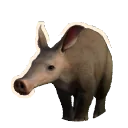
| Savannah | Habitat | Aardvark is solitary “With the exception of a mother and her cub, aardvarks are solitary in nature. They only interact when mating or competing over mates.” |
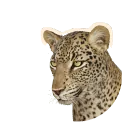
| RainforestSavannah | Habitat | African Leopard is solitary “African leopards are solitary except for a mother raising her cubs.” |
| SavannahWetlands | Habitat | Nile Monitor is solitary “Nile monitors are solitary animals and prefer to be alone.” |
Close, but ruled out by enclosure type
17 species share at least one biome with the Black Wildebeest but use a different enclosure type — a land habitat against an aquarium or a flying aviary — so they cannot be mixed however well the biomes line up.
Boa Constrictor, Cloudless Sulphur, Common Bluetongue, Eastern Brown Snake, European Peacock, Giant Tiger Land Snail, Golden Eagle, Goliath Beetle, Long-Eared Owl, Menelaus Blue Morpho, Monarch, Old World Swallowtail, Secretarybird, Toco Toucan, Western Diamondback Rattlesnake, White-Backed Vulture, Yellow Anaconda
What the Zoopedia says the Black Wildebeest can live with
The Thriving column names 13 species the Black Wildebeest can be paired with for a compatibility bonus. The Neutral column says “No compatible species”, so on the game's own data there is no filler animal here — every pairing it recognises is a good one.
Transcribed from the official Zoopedia Habitat tab. Thriving is the pairing the game rewards; Neutral means the pair is accepted with no bonus either way.
This answers a different question from the Likely OK table above. That one tests whether two species pass the same biome-and-enclosure check and are both described as group-living; this one is Frontier naming the pairings it actually recommends. Where the two disagree, the game's own list is the one to build on.
Behaviour, size and weight
Black Wildebeest is classed as Social in Frontier's Social & Reproduction notes: “Black wildebeest live in large herds comprised of groups of related females and their young offspring; bachelor herds of young males; and dominant bulls who establish territory in the foragi…” On size the game lists 1.10 m (shoulder) for the male and 1.05 m for the female. Size and weight together decide the minimum habitat footprint, so use the female figure when you are sizing a breeding pair rather than a display animal.
Building for the Black Wildebeest in a starter zoo
The barrier is the first thing to plan: Grade 2 at a minimum height of 1.25 m. That is a cheap early-game wall, and it is part of what makes this species easy to house in a new zoo. Build the fence line before you place the animal, because a habitat that fails the barrier check will not accept it at all.
For the outdoor build, terrain and planting matter as much as the fence. Paint the habitat to its listed biome and use that biome's plant set: a species kept outside its biome loses welfare even when every other number on this page is satisfied.
It is classed as social, so it wants company of its own kind; a single animal alone in a habitat is the configuration that tends to go wrong.
Feeding costs and space for the Black Wildebeest
Food is the only recurring cost the Zoopedia prints, and for the Black Wildebeest it is $169 per adult per cycle. 21% of the 135 species that publish a figure cost less, which puts it in the cheaper half of the roster.
Scaled to the top of its population range (20 adults) that is $3,380 per cycle, against $676 for the minimum group of 4. The spread is the point: the same habitat costs 5 times as much to run full as it does nearly empty.
Space is the other half of the sum. The Zoopedia's minimum is 410m² of land area plus a 10m² shelter, and that minimum does not shrink for a small group — which is why the per-animal figure matters: at 20 adults it works out at 20 m² each. Budget the full 410m² even if you only start with a pair, or you will be rebuilding the fence line later.
Three more build facts come off the same page: the habitat has to hold 14°C to 36°C, guests cannot walk through it, so no walkthrough gate is needed and the game lists its temperament as Neutral.
How the Black Wildebeest breeds, and how long it lives
Numbers first: gestation runs 8 months, a litter is a single young and the shortest gap between litters is 3 months. That is about 4 litters a year at the top of the range — fast enough that surplus animals, not enclosure space, become the constraint.
The lifecycle numbers decide whether a breeding programme pays: the young are independent at 2 years, breeding never stops with age — the sterility field reads “death” and the three life stages add up to roughly 22 years.
At about 22 years per animal, one purchase of the Black Wildebeest is a two-decade commitment in game time. Its reproduction difficulty is rated Easy, so the limiter is patience rather than micromanagement.
Range and conservation status
Black Wildebeest is listed for Africa. Its conservation status is Least Concern — not currently a species conservationists are worried about. Taxonomically the Zoopedia places it in order Artiodactyla and the family Bovidae. Conservation status is recorded for all 136 species in the official export and does not change how the animal is housed, but it is the field that tells you how rare the species is in the wild.
Which enclosure-mates to try first
If you want to try a mixed habitat, start with Grey Wolf, Wild Boar or African Savannah Elephant. Each one shares both the Savannah biome and the Habitat enclosure type with the Black Wildebeest, and Frontier's own text confirms both sides live in groups — that is what the Likely OK label means on this page.
The rest of the confirmed pairings are in the table above. Anything marked Unverified is a biome-and-enclosure match where the official text does not state a social structure, so it is listed rather than recommended. The full pair-by-pair view, including every species that is ruled out, is on the compatibility chart.
FAQ
Can Black Wildebeest live with other animals in Planet Zoo 2?
Yes. 25 launch species share both a biome and an enclosure type with Black Wildebeest, and 25 of those are confirmed as group-living by Frontier's own text. Keep the Savannah biome and the Habitat habitat constant and mixing them is a data question, not a guess.
What biome does Black Wildebeest need in Planet Zoo 2?
Black Wildebeest accepts 1 biome: Savannah. Biome is not cosmetic — a species placed outside its listed biomes will not thrive, however good the enclosure looks.
What barrier grade does Black Wildebeest need?
Black Wildebeest needs Grade 2 · 1.25m. Grade 1 to 2 sits at the cheap end of the range, which makes this a species you can house early in a new zoo without a rebuild.
Is Black Wildebeest in the base game or Deluxe?
Black Wildebeest ships with the base game in Planet Zoo 2 — no extra purchase is needed to add it to a zoo.
How big is Black Wildebeest in Planet Zoo 2?
Black Wildebeest is listed at 1.10 m (shoulder), with an adult male weight of 170 kg. Small-bodied species like this are the ones that fit into a starter zoo with room to spare, which is why they make good first purchases.
Is Black Wildebeest social or solitary?
Frontier's own Social & Reproduction text classes Black Wildebeest as social. “Black wildebeest live in large herds comprised of groups of related females and their young offspring; bachelor herds of young males; and dominant bul…” That classification is what decides most of the compatibility verdicts on this page.
What continent is the Black Wildebeest from in Planet Zoo 2?
The Zoopedia lists it for Africa. Continent is a display and scenario field rather than a housing requirement — biome and enclosure type are what decide whether a habitat is accepted — but it is the fastest way to find species that fit a themed area.
Is the Black Wildebeest endangered?
It is listed as Least Concern, which is not currently a species conservationists are worried about in the game's own Zoopedia export. The status carries no barrier or space penalty, so a Critically Endangered species is not harder to keep than a Least Concern one — it only changes how rare it is in the wild.
How much does it cost to feed a Black Wildebeest in Planet Zoo 2?
$169 per adult per cycle in the Zoopedia, so a habitat filled to the top of its 4-20 population range carries about $3,380 per cycle.
How often does the Black Wildebeest breed in Planet Zoo 2?
The interbirth period is 3 months, so that is the minimum gap between litters. Litter size is 1-1 and young are independent at 2 years.
Related
All 136 animals · Full compatibility chart for Black Wildebeest · Aquarium animals · Aviary birds · Deluxe edition animals · System requirements