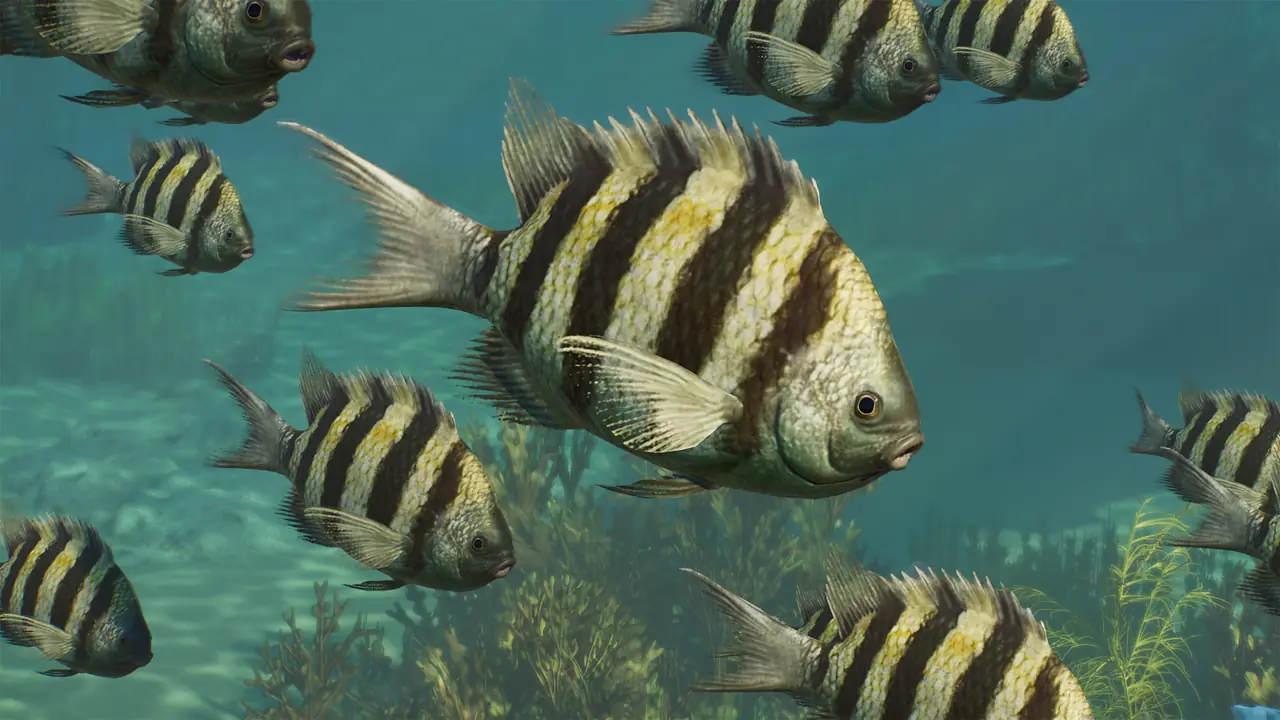
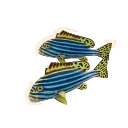
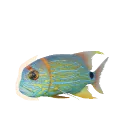
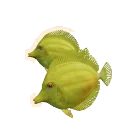
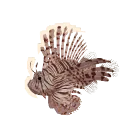
Planet Zoo 2 Indo-Pacific Sergeant — habitat, biome, size & which animals it can live with
Indo-Pacific Sergeant is one of the 130 Planet Zoo 2 launch species. It is housed in a Aquarium / Exhibit habitat, accepts the Open Sea / Reef biome, carries a no barrier requirement and is listed at no published size. It shares a biome and an enclosure type with 27 other species, so it can be mixed into a shared enclosure — 0 of those pairings are confirmed by Frontier's own text.
Every figure on this page comes from the official Planet Zoo 2 Zoopedia export rather than trailer footage: biome, enclosure type, barrier grade, size and the compatibility verdicts are all taken from the game's own data.
Size (M)—
Weight (M)—
Barrier—
EnclosureAquarium / Exhibit
BiomesOpen Sea / Reef
StatusLeast Concern
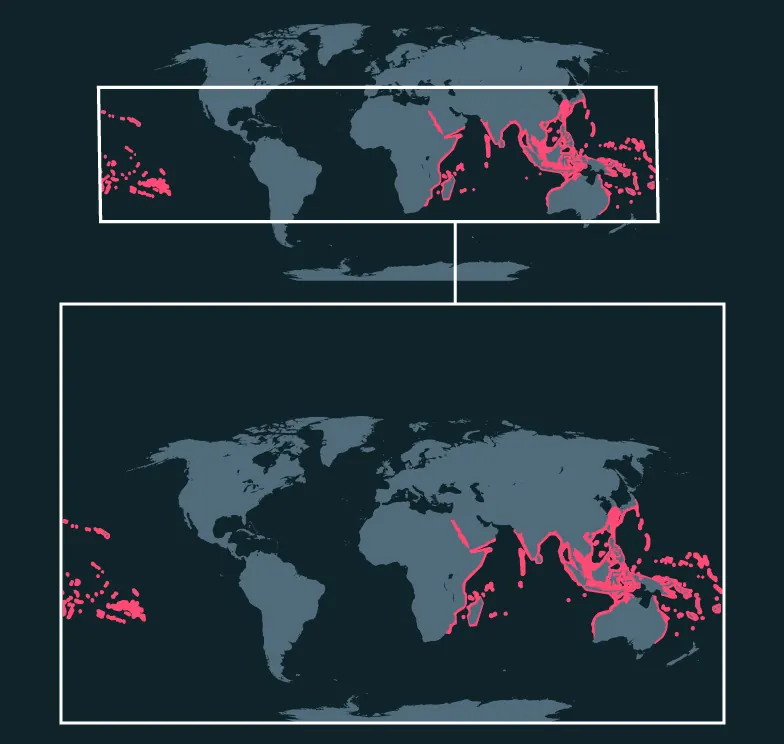
Where it lives in the wild
Indian Ocean · Pacific Ocean
0verified enclosure-mates
20same biome + habitat
no published sizesize (male)
Nonebarrier grade
Indo-Pacific Sergeant at a glance
| Field | Value |
|---|
| Name | Indo-Pacific Sergeant |
| Group | Sergeant |
| Class | Fish |
| Biomes | Open Sea / Reef |
| Continents | Indian Ocean · Pacific Ocean |
| Enclosure | Aquarium / Exhibit |
| Barrier | — |
| Size (male) | no published size |
| Size (female) | — |
| Weight (male) | — |
| Weight (female) | — |
| Conservation | Least Concern |
| Edition | Base game |
| Revealed | 2026-08-04 |
Source: official Planet Zoo 2 Zoopedia export (130 species). Also on the searchable animal list.
Enclosure and barrier requirements
Indo-Pacific Sergeant needs a Aquarium / Exhibit enclosure and accepts the Open Sea / Reef biomes. The barrier requirement is none at all, and that is the number to check before building: a Grade 4 animal behind a Grade 1 wall is the most common way a first zoo stalls.
Which animals can live with the Indo-Pacific Sergeant?
20 launch species share both a biome and an enclosure type with the Indo-Pacific Sergeant, so they are the only candidates for a mixed habitat. Of those, 0 are confirmed group-living by Frontier's own text and 20 are unverified — both are listed rather than presented as equally safe.
| Species | Biome | Enclosure | Verdict | Evidence |
|---|
| EstuarineMangroveReef | Aquarium | Unverified | Frontier has not stated a social structure for this species. |
| Reef | AquariumExhibit | Unverified | Frontier has not stated a social structure for this species. |
| Reef | AquariumExhibit | Unverified | Frontier has not stated a social structure for this species. |
| Reef | AquariumExhibit | Unverified | Frontier has not stated a social structure for this species. |
| Reef | Aquarium | Unverified | Frontier has not stated a social structure for this species. |
| Open Sea | Aquarium | Unverified | Frontier has not stated a social structure for this species. |
| EstuarineReef | Aquarium | Unverified | Frontier has not stated a social structure for this species. |
| Open SeaReef | Aquarium | Unverified | Frontier has not stated a social structure for this species. |
| EstuarineReef | Aquarium | Unverified | Frontier has not stated a social structure for this species. |
| Reef | Aquarium | Unverified | Frontier has not stated a social structure for this species. |
| EstuarineOpen Sea | Exhibit | Unverified | Frontier has not stated a social structure for this species. |
| EstuarineOpen SeaReef | Aquarium | Unverified | Frontier has not stated a social structure for this species. |
| Open Sea | Aquarium | Unverified | Frontier has not stated a social structure for this species. |
| Open Sea | Aquarium | Unverified | Frontier has not stated a social structure for this species. |
| Reef | AquariumExhibit | Unverified | Frontier has not stated a social structure for this species. |
| Reef | Aquarium | Unverified | Frontier has not stated a social structure for this species. |
| Reef | AquariumExhibit | Unverified | Frontier has not stated a social structure for this species. |
| MangroveReef | AquariumExhibit | Unverified | Frontier has not stated a social structure for this species. |
| EstuarineLakes & RiversMangroveOpen SeaWetlands | Aquarium | Unverified | Frontier has not stated a social structure for this species. |
| Reef | AquariumExhibit | Unverified | Frontier has not stated a social structure for this species. |
Rule: two animals can share an enclosure only when they share a biome and an enclosure type. Likely OK means Frontier's own Social & Reproduction text says both species live in groups; Unverified means the data does not say, so we do not guess. Pair-by-pair table: compatibility chart.
Same biome, but not compatible
7 of the species that accept the Open Sea / Reef biome cannot share an enclosure with the Indo-Pacific Sergeant, because one side of the pair is officially solitary. These are the pairings people ask about most, so they are spelled out rather than left as an unexplained gap.
| Species | Biome | Enclosure | Why not |
|---|
| Reef | Aquarium | Blackspotted Puffer is solitary “Blackspotted puffers are solitary and territorial, only interacting with conspecifics during the breeding season.” |
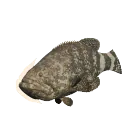
| EstuarineMangroveReef | Aquarium | Giant Grouper is solitary “Giant groupers are solitary fish, although they may form temporary aggregations during spawning.” |
| Open SeaReef | Aquarium | Great Hammerhead is solitary “As opposed to some other species of hammerhead, the great hammerhead shark is a solitary animal.” |
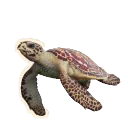
| EstuarineMangroveOpen SeaReef | Aquarium | Hawksbill Turtle is solitary “Hawksbill Turtles are solitary and only interact with other individuals to mate.” |
| EstuarineMangroveOpen SeaReef | Aquarium | Indo-Pacific Leopard Shark is solitary “Indo-Pacific leopard sharks are usually solitary, but may gather in large groups on occasion for reasons unknown.” |
| Open Sea | Aquarium | Ocean Sunfish is solitary “Ocean sunfish are solitary animals.” |
| EstuarineReef | Aquarium | Red Lionfish is solitary “Red lionfish are solitary but will gather in temporary harems during breeding events.” |
Close, but ruled out by enclosure type
1 species share at least one biome with the Indo-Pacific Sergeant but use a different enclosure type — a land habitat against an aquarium or a flying aviary — so they cannot be mixed however well the biomes line up.
African Penguin
Behaviour, size and weight
Indo-Pacific Sergeant is classed as Not stated in Frontier's Social & Reproduction notes: “Indo-Pacific sergeants form small to large aggregations and live in these loose groups.” On size the game lists no published size for the male. Size and weight together decide the minimum habitat footprint, so use the female figure when you are sizing a breeding pair rather than a display animal.
FAQ
Can Indo-Pacific Sergeant live with other animals in Planet Zoo 2?
Yes. 20 launch species share both a biome and an enclosure type with Indo-Pacific Sergeant, and 0 of those are confirmed as group-living by Frontier's own text. Keep the Open Sea / Reef biome and the Aquarium / Exhibit habitat constant and mixing them is a data question, not a guess.
What biome does Indo-Pacific Sergeant need in Planet Zoo 2?
Indo-Pacific Sergeant accepts 2 biomes: Open Sea / Reef. Biome is not cosmetic — a species placed outside its listed biomes will not thrive, however good the enclosure looks.
What barrier grade does Indo-Pacific Sergeant need?
Indo-Pacific Sergeant needs no barrier grade. With no barrier grade in the data, this species is shown behind glass in an aquarium or exhibit rather than behind a paddock fence.
Is Indo-Pacific Sergeant in the base game or Deluxe?
Indo-Pacific Sergeant ships with the base game in Planet Zoo 2 — no extra purchase is needed to add it to a zoo.
How big is Indo-Pacific Sergeant in Planet Zoo 2?
Indo-Pacific Sergeant is listed at no published size, with an adult male weight of not published. The game does not publish a body length for this species.
Is Indo-Pacific Sergeant social or solitary?
Frontier's own Social & Reproduction text classes Indo-Pacific Sergeant as not stated. “Indo-Pacific sergeants form small to large aggregations and live in these loose groups.” That classification is what decides most of the compatibility verdicts on this page.
Related
All 130 animals · Full compatibility chart for Indo-Pacific Sergeant · Aquarium animals · Aviary birds · Deluxe edition animals · System requirements